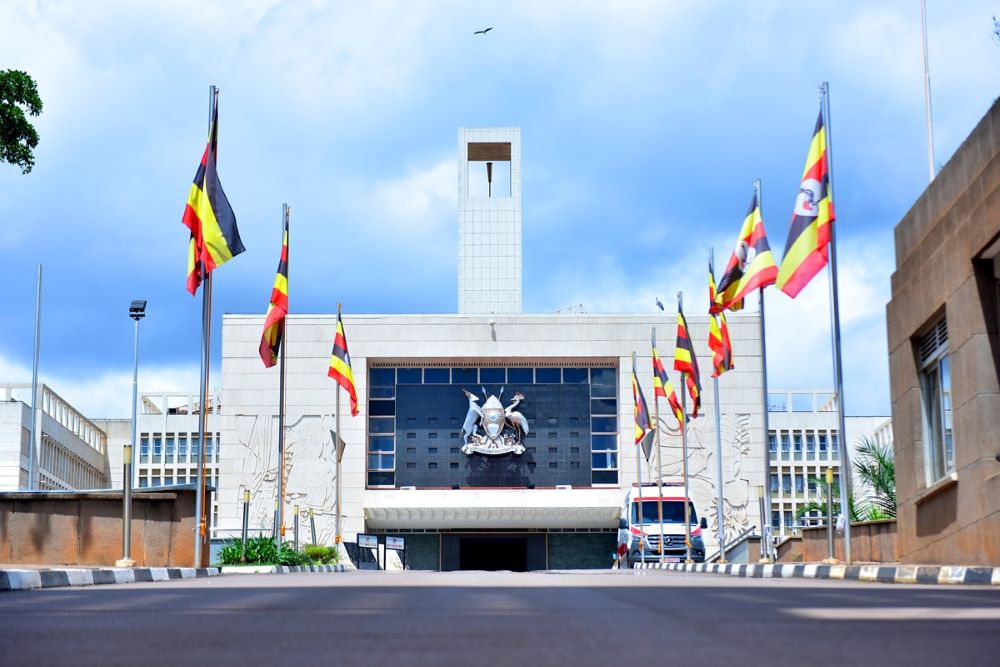
Parliament has significantly reduced physical attendance for this year’s State of the Nation Address as a precaution against Ebola.
In a formal communication issued by the Office of the Clerk to Parliament, only Members of the 12th Parliament and a limited number of parliamentary officials will be allowed to attend the June 4 address in person. All previously invited guests have been advised to instead follow the proceedings virtually through social media platforms and national broadcasters.
The directive, signed by Clerk to Parliament Adolf Mwesige Kasaija, follows guidance from the Ministry of Health after reports of a fresh Ebola outbreak and renewed public health advisories.
Although the government has not declared a nationwide emergency, the precautionary measures surrounding one of the country’s most significant annual constitutional events signal the seriousness with which authorities are treating the health threat.
Under Article 101 of the Constitution, the President is required to deliver a State of the Nation Address to Parliament at the beginning of every session. Traditionally, the event attracts diplomats, religious leaders, cultural institutions, military officials, civil society representatives, business leaders, foreign delegations and media organisations.
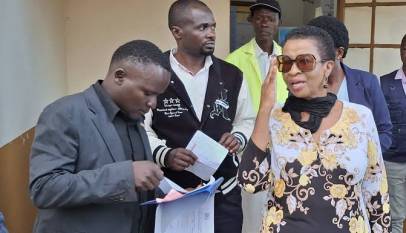
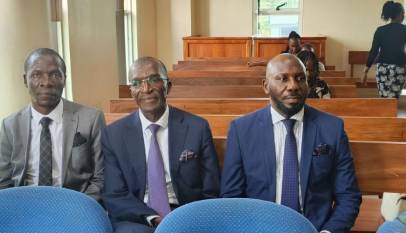
This year’s restrictions, therefore, mark a notable operational and symbolic shift. On Friday, a section of Members of Parliament who turned up at Parliament were subjected to COVID-style screening measures, reflecting renewed caution amid Ebola fears.
Health experts say the decision reflects lessons Uganda has learned from previous outbreaks, including the 2000 Ebola outbreak in Gulu and the 2022 Sudan Ebola Virus outbreak that affected districts such as Mubende and Kassanda.
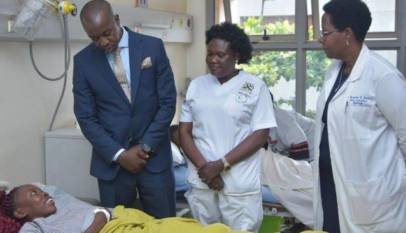
Uganda is regarded as one of Africa’s most experienced countries in Ebola containment because of its repeated exposure to outbreaks over the past two decades. According to the World Health Organisation, the country has strengthened surveillance systems, rapid response teams, isolation centres and community sensitisation programmes as a result of past outbreaks.
Jennifer Atim, a public health specialist, said limiting attendance at high-profile national gatherings is in line with global outbreak management protocols.
“Mass gatherings can accelerate transmission risks if early containment measures are not aggressively implemented,” Atim told media, noting that early intervention often determines whether outbreaks remain localised or escalate into wider national crises.
The World Health Organisation and the Africa Centres for Disease Control and Prevention have consistently emphasised rapid risk communication, contact tracing, public awareness and controlled gatherings as key measures in the Ebola response.
Parliament’s decision to maintain live broadcasts across national media platforms appears aimed at balancing public access to the address with efforts to minimise physical exposure risks.
Uganda’s Public Health Act gives health authorities powers to impose disease-control measures during outbreaks, including restrictions on gatherings and movement where necessary to protect public safety. International Health Regulations endorsed by the World Health Organisation similarly encourage governments to adopt proportionate measures that prevent disease spread while minimising unnecessary disruption.
Beyond public health concerns, experts warn that renewed Ebola fears could have broader economic implications if the outbreak worsens. Tourism operators, conference organisers, airlines, investors and hospitality businesses often closely monitor disease outbreaks because of their impact on travel confidence and public perception.
Diplomatic observers also note that restrictions around the State of the Nation Address may affect the participation of foreign missions and international partners, whose attendance traditionally serves as a signal of diplomatic engagement.