Opposition Seeks Probe into Owino Market Demolition
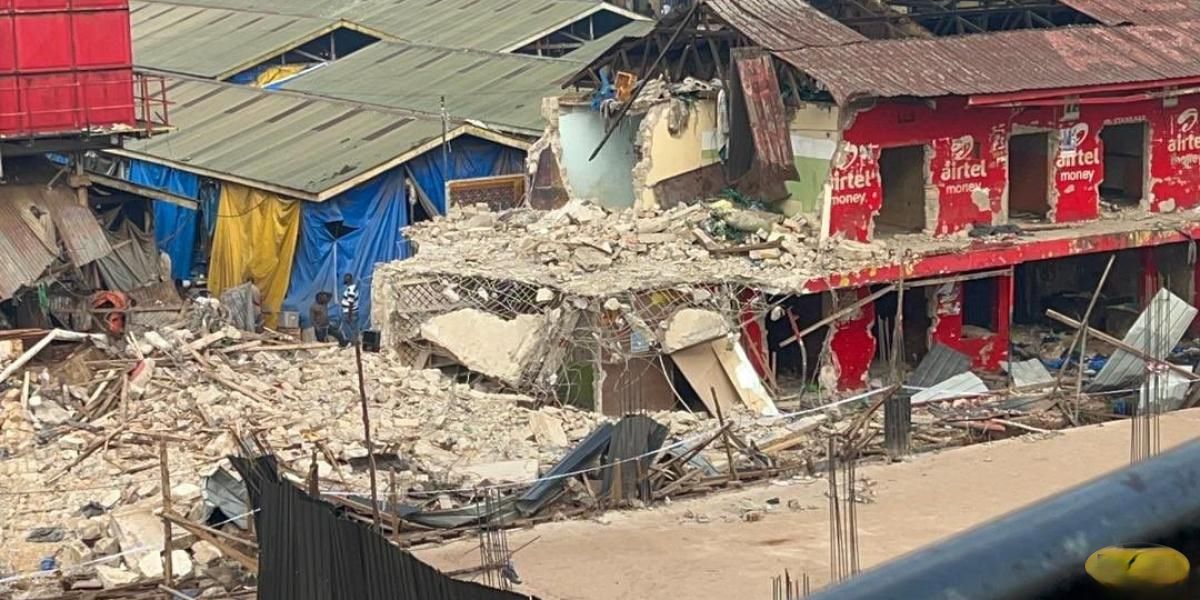
Parliament has come under pressure to investigate the controversial demolition of St. Balikuddembe (Owino) Market in Kampala after lawmakers raised alarm over alleged inconsistencies in the role of city authorities and reports of fatalities.
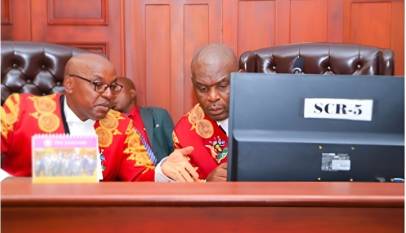
The matter was revived during the plenary session on Tuesday, March 17, 2026, when Leader of the Opposition Joel Ssenyonyi demanded that the government explain the involvement of Kampala Capital City Authority (KCCA) in the March 7 demolition that reportedly left at least two people dead.
Ssenyonyi questioned why KCCA initially condemned the demolition as illegal, leading to arrests, only to later oversee a broader clearance of the same structures.
Nakawa East MP Ronald Balimwezo described the incident as a “serious national matter” calling for institution of a select committee to establish accountability, citing testimonies by affected vendors and (lack of) evidence of prior notice.
According to the legislator, KCCA officials initially denied involvement but later acknowledged issuing permits for the demolition of makeshift structures near the Nakivubo Channel, raising questions about compliance with due process and public safety standards.
However, Speaker Anita Among declined calls for a select committee, ruling that the matter should instead be handled by the Committee on Commissions, Statutory Authorities and State Enterprises, where KCCA officials are already expected to appear over queries in the Auditor General’s FY2024/25 report.
The incident raises potential concerns under the Kampala Capital City Authority Act, 2010, which mandates orderly urban planning and public safety, as well as constitutional protections on the right to life and property.
Critics say any demolition exercise must comply with due process, including adequate notice, lawful authorization, and safeguards against loss of life.
St. Balikuddembe Market is one of Uganda’s largest informal trading hubs, roughly covering seven hectares and supporting more than 50,000 vendors. Nearly 70 percent of its traders are women, underscoring its central role in urban livelihoods and gendered economic participation.
The market has long faced challenges of congestion and poor infrastructure, with periodic proposals for redevelopment. Following the demolition, businessman Ham Kigundu publicly acknowledged plans to redevelop the site, fueling fears among traders of displacement and inadequate consultation.
For many vendors, the incident has revived longstanding anxieties over forced evictions, transparency in urban redevelopment, and the balance between modernization and protecting informal livelihoods.
Former Deputy Attorney General Asks Gov’t to Withdraw Sovereignty Bill
Marine Divers Launch Search for River Nguse Boat Tragedy Victims
Mao Warns of Bias Over Planned Induction Of 12th Parliament
Former Deputy Attorney General Asks Gov’t to Withdraw Sovereignty Bill
Marine Divers Launch Search for River Nguse Boat Tragedy Victims
Civil Society Pushes for Debt Relief
Gov’t Unveils New Petroleum Policy
Former Deputy Attorney General Asks Gov’t to Withdraw Sovereignty Bill
Former Deputy Attorney General Mwesigwa Rukutana has asked the mover of the Protection of …
Now On Air – 88.2 Sanyu Fm
Get Hooked Right Here
DON'T MISS!!!
Former Deputy Attorney General Asks Gov’t to Withdraw Sovereignty Bill
Former Deputy Attorney General Mwesigwa Rukutana has asked the mover of the Protection of Sovereignty Bill to withdraw it from Parliament.