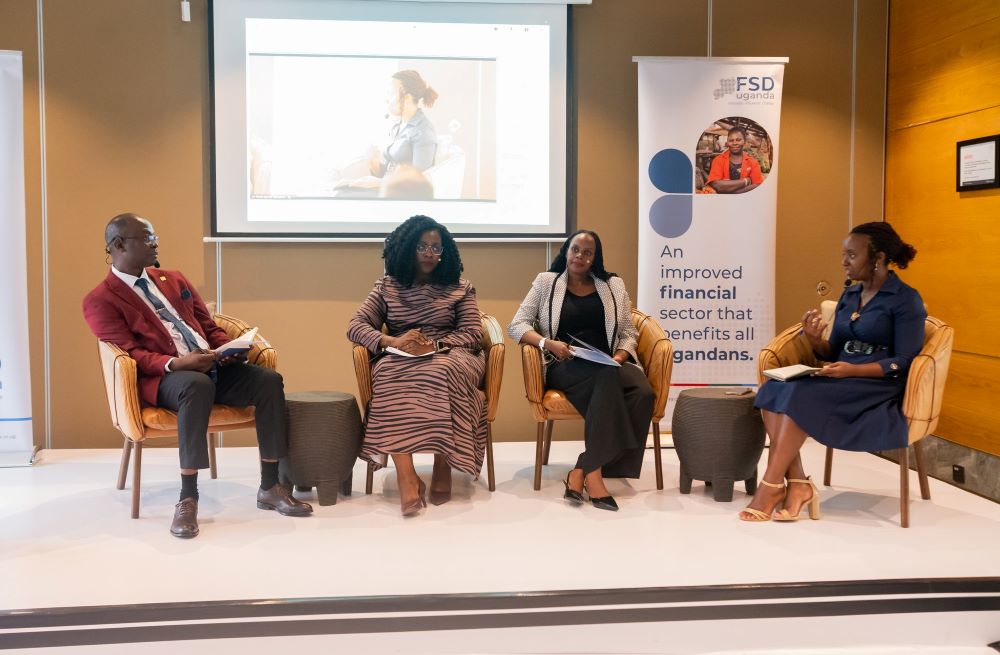
Young women in Uganda continue to face significant barriers to accessing financial services, according to new research by the Financial Sector Deepening Uganda (FSD Uganda).
Speaking during the dissemination of findings from a 12-month study on deepening financial inclusion for young women, FSD Uganda representative Joseph Lutwama said the research sought to understand the aspirations, challenges, and financial needs of young women, a demographic that makes up a large proportion of Uganda’s female population.
Lutwama noted that while efforts to improve financial inclusion have traditionally focused on women in general, limited attention has been given to the unique challenges faced by young women.
One of the key barriers identified by the study is limited access to national identification cards, which are a mandatory requirement for accessing formal financial services, including banking and mobile money platforms.
According to Lutwama, many young women either do not possess national IDs or have not collected them after registration, limiting their ability to participate in the formal financial system.
The research also found that low and unstable incomes from small businesses make it difficult for young women to maintain bank and mobile money accounts, with transaction and account maintenance costs often proving burdensome.
FSD Uganda is therefore encouraging stakeholders to develop affordable and accessible financial products tailored to the needs of young women.
The study further highlights low confidence levels among young women as another major challenge. Lutwama explained that traditional social structures have often limited women’s participation in economic activities, affecting their ability to independently engage with financial institutions.
He emphasized the need for communities, families, and both men and women to work together to support young women’s economic empowerment and financial independence.
Despite the challenges, Lutwama acknowledged the efforts of the National Identification and Registration Authority (NIRA) in registering a majority of Ugandans for national IDs. He said the remaining challenge lies in empowering citizens, especially young women, to fully understand and utilize the opportunities that come with possessing a national ID.
The findings are expected to inform policy interventions and the development of financial products aimed at increasing financial inclusion among young women across Uganda.