38 Districts Lack Government Prosecutors

The Office of the Director of Public Prosecutions says it has no State Attorneys in 38 districts across Uganda, forcing the transfer of some criminal case files to neighbouring districts and leaving others without prosecutors to handle them.
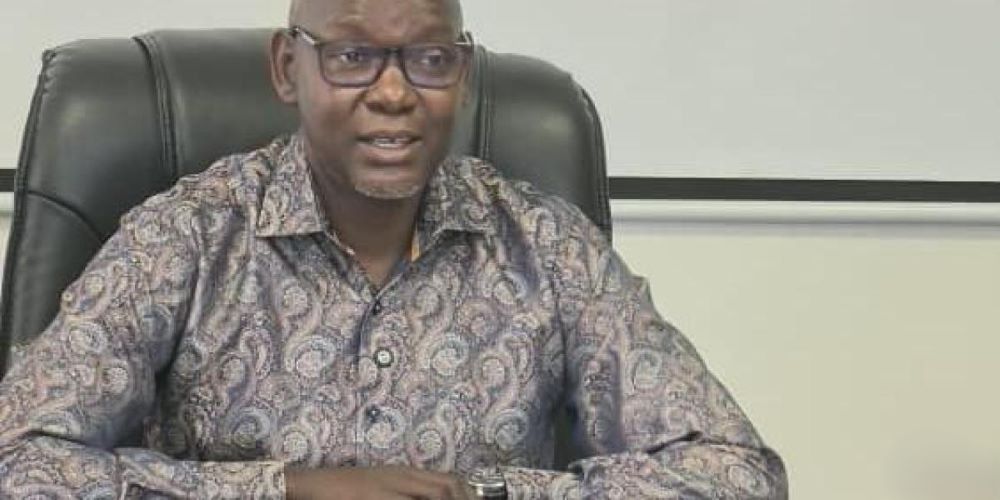
Director of Public Prosecutions Lino Anguzu said the staffing gap is affecting the delivery of prosecution services, particularly in districts where there are no government prosecutors at all.
He said the Office of the Director of Public Prosecutions (ODPP) has been forced to make difficult decisions, including transferring case files from districts without State Attorneys to the nearest districts with prosecutors.
Anguzu disclosed the staffing gaps on Tuesday while addressing a press conference in Kampala on the performance of the ODPP and its efforts to strengthen Uganda’s criminal justice system.
Among the districts without State Attorneys are Rwampara, Rukiga, Madi-Okollo, Buvuma and Kalaki.
Anguzu said the situation is particularly concerning because some of the affected districts have no prosecutors at all, leaving police prosecutors to handle cases despite concerns about their capacity to manage complex criminal matters.“We have 38 districts where we are not represented,” Anguzu said.
He said the absence of State Attorneys means some cases have to be moved elsewhere, increasing the burden on prosecutors in neighbouring districts and potentially delaying the handling of cases for people seeking justice.
The staffing shortage comes as the ODPP reports improvements in its overall prosecution performance. Anguzu said the conviction rate for Gender-Based Violence cases has increased from 30 percent in 2019 to 80 percent in the 2025/2026 financial year.
He attributed the improvement largely to specialised training for prosecutors handling gender-based violence cases. The ODPP reported an overall conviction rate of 67 percent during the financial year.
Anguzu also said prosecution-guided investigations and improved handling of corruption cases had contributed to conviction rates of between 80 and 90 percent in those cases. Through its anti-corruption work, the ODPP says it has recovered 15 billion shillings and land valued at approximately 1.6 billion shillings. The office also says 28,971 cases have been concluded through plea bargaining over the past five years, a measure intended to reduce the backlog of criminal cases.
Since the introduction of daily hearings for capital cases in 2022, the ODPP says 4,640 such cases had been concluded by the end of the 2025/2026 financial year.
Among the prominent cases prosecuted by the ODPP during the past year was that of former Minister of State for Karamoja Affairs Agnes Nandutu, who was convicted in the Karamoja iron sheets case for dealing with suspect property.
The prosecution also secured a death sentence against Christopher Okello Onyum for the murder of four children at a daycare centre in Ggaba.
Nine accused persons were convicted in the case involving the kidnap and murder of Susan Magara and received sentences ranging from death to life imprisonment.
The ODPP also secured convictions in the Masaka spate of murder cases, commonly known as the Bijambiya cases. The accused received sentences of 45 years and 25 years’ imprisonment for murder and aggravated robbery, respectively.
Beyond prosecutions, the ODPP is expanding its use of technology to improve the management of cases. Anguzu said the office is accelerating the rollout of the Prosecution Case Management Information System, PROCAMIS, alongside other data management tools

Bunyoro Kingdom Leadership Crisis Set for Mediation
The prolonged leadership crisis in Bunyoro-Kitara Kingdom is set to come under discussion …

















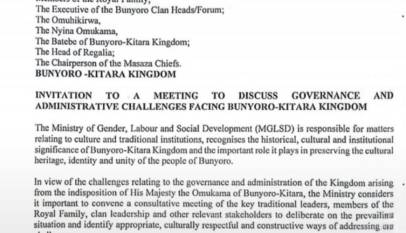
Bunyoro Kingdom Leadership Crisis Set for Mediation
The prolonged leadership crisis in Bunyoro-Kitara Kingdom is set to come under discussion on November 7, when key traditional leaders, members of the royal