
Government Tasked to Utilize TRIPS Flexibilities to Improve Access to Medicines

By Philip Onyango
Government Tasked to Utilize TRIPS Flexibilities to Improve Access to Medicines
Government has been urged to embrace local pharmaceutical innovations and fully exercise TRIPS flexibilities including compulsory licensing, parallel importation, and leveraging Uganda’s special status as a Least Developed Country (LDC) to improve access to affordable medicines.

The call was made during the National Symposium on Intellectual Property, Pharmaceutical Innovation and Access to Medicines in Uganda, organized by the Center for Health, Human Rights and Development (CEHURD) in partnership with KELIN and the International Treatment Preparedness Coalition (ITPC).
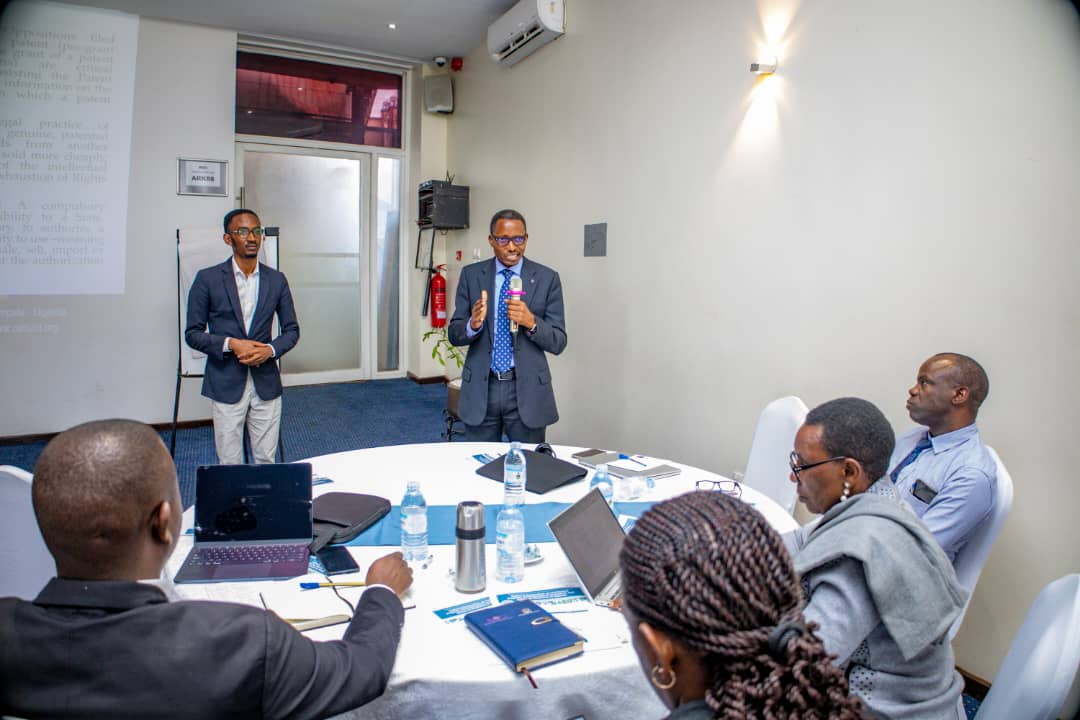
The high-level symposium, held at Protea Hotel by Kampala Skyz, Naguru, was convened under the Intellectual Property Capacity Building Academy. It is running under the theme: “Understanding Intellectual Property, TRIPS Flexibilities and their Implications for Access to Medicine in Uganda.”
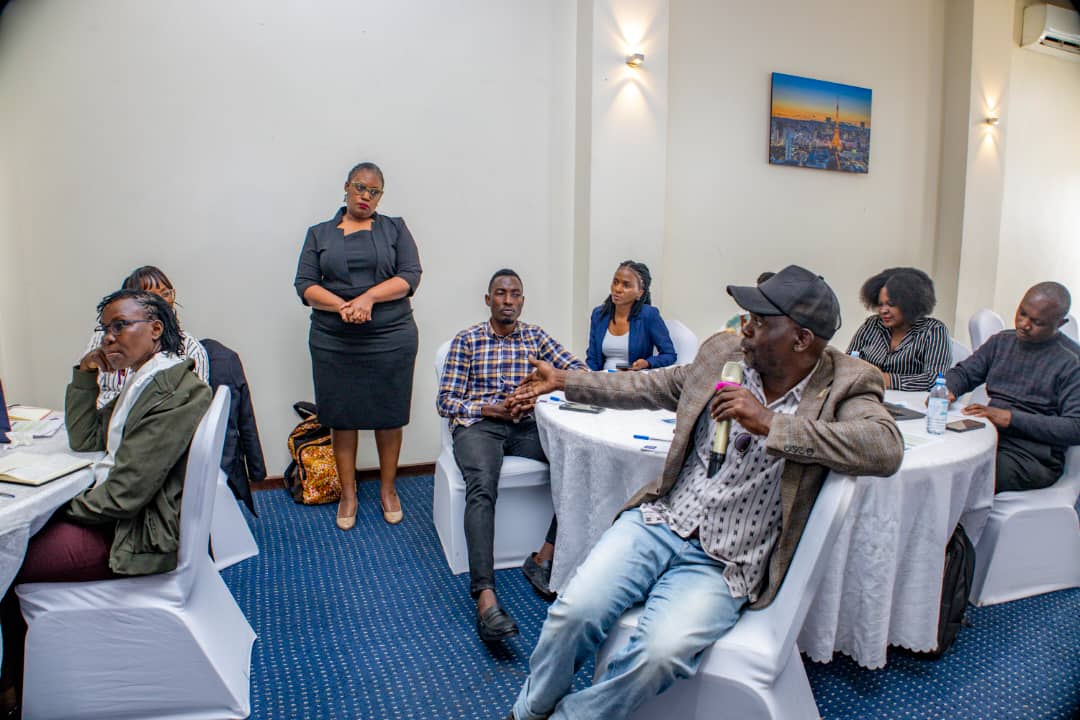
The engagement brought together legal experts, health rights advocates, researchers, policymakers and innovators to deliberate on how intellectual property laws impact access to essential medicines and what Uganda can do to strike a balance between rewarding innovation and saving lives.
Speaking at the event, Seth Nimwesiga, a lawyer and Advocacy Officer at CEHURD, said Uganda is home to numerous promising local innovations in the health sector, but barriers such as limited funding, weak support systems and restrictive intellectual property regimes continue to stifle their growth.
He explained that intellectual property refers to the legal rights granted to innovators and pharmaceutical manufacturers to benefit from their research and investment in developing essential life-saving medicines, such as antiretroviral therapy (ART) for HIV.
“That property is sometimes good because it encourages people to research, invest and innovate, knowing they will benefit from what they have discovered. But sometimes it is misused by manufacturers to set exorbitant prices,” Nimwesiga noted.
He said under the current patent protection system, innovators are granted exclusive rights for 20 years, during which they can determine market prices, control supply, and decide who to sell to and at what cost.
To illustrate the impact of patent monopolies on access, Nimwesiga cited the recent HIV prevention innovation, Lenacapavir.
“The cost of manufacturing Lenacapavir is estimated at $25 per dose, which is about Shs 60,000, yet when it goes to the market, it costs as high as $28,000, which is equivalent to between Shs 70 million and Shs 80 million. This limits and hinders accessibility for the people who actually need it,” he said.
Nimwesiga emphasized that if government puts in place more supportive policies including deliberate adoption of TRIPS flexibilities such as compulsory licensing for importation of generics and parallel importation Uganda will be able to overcome the burden of inadequate medicines and ease accessibility for ordinary Ugandans.
He added that Uganda, as an LDC, has a window of opportunity under World Trade Organization (WTO) rules to prioritize public health over strict patent enforcement until the transition period expires.
Stakeholders at the symposium are expected to generate policy recommendations to guide government on law reform, local manufacturing support and better utilization of legal flexibilities to ensure no Ugandan is left behind due to the high cost of medicines.
Cue..in..Nimwesiga CEHURD eng



Supreme Court Upholds 20 Year Jail Term for Kasiwukira Murder Convicts
Supreme Court in Kampala has confirmed a 20-year jail term handed to Jaden Ashraf a Police…





















Government Tasked to Utilize TRIPS Flexibilities to Improve Access to Medicines
Government has been urged to embrace local pharmaceutical innovations and fully exercise TRIPS flexibilities including compulsory licensing, parallel importation, and leveraging Uganda's special status as a Least Developed Country (LDC) to improve access to affordable medicines.