Museveni Urges South Africa to End Xenophobic Attacks
Home Trending News Current Affairs Museveni Urges South Africa to End Xenophobic Attacks

Museveni Urges South Africa to End Xenophobic Attacks

President Yoweri Museveni has revealed that he personally engaged South African President Cyril Ramaphosa over the recent xenophobic attacks targeting African migrants.

He warns that the violence against African immigrants poses a threat to African unity and regional integration.  

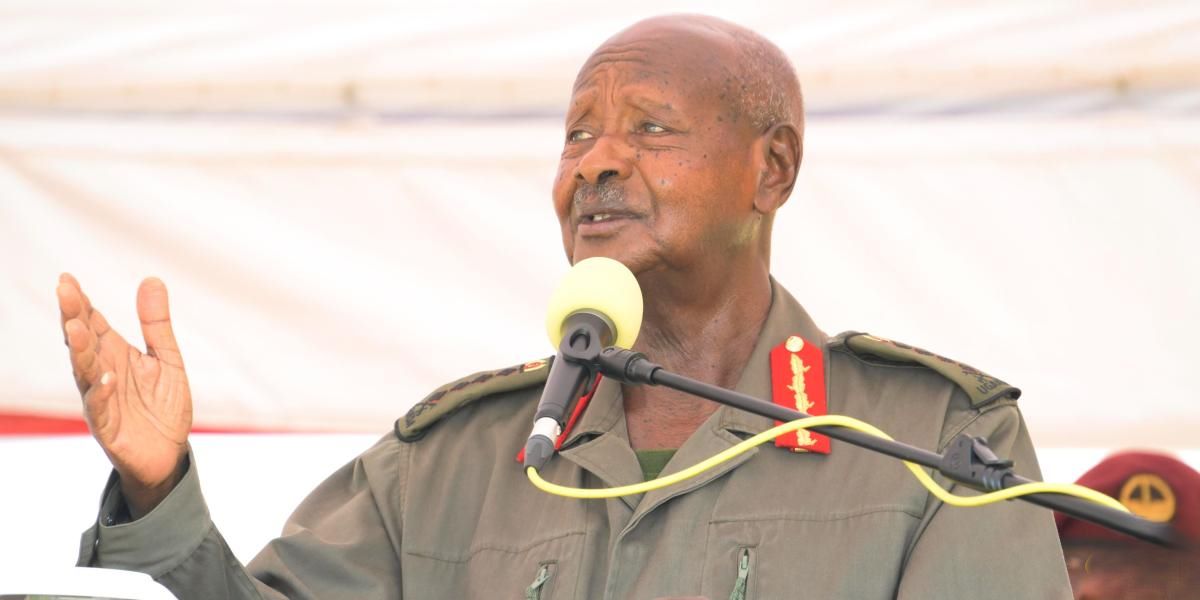
Speaking on Sunday during the pass-out ceremony of 1,030 Ugandan returnees at the National Leadership Institute (NALI) in Kyankwanzi, Museveni said he had urged his South African counterpart to take decisive action against those responsible for the attacks.  

“I told President Ramaphosa that what is happening is dangerous for Africa,” Museveni said.  

According to the President, Ramaphosa explained that the perpetrators were enemies of South Africa’s governing African National Congress (ANC) and not acting on behalf of the government.  

“I urged him to deal decisively with xenophobia because welcoming fellow Africans is the right thing to do. If countries begin retaliating against one another, it will be dangerous for the entire continent,” Museveni added.  

The President appealed to Ugandans not to direct anger towards South Africans living or investing in Uganda, saying the attacks should not undermine relations between the two countries.  

The 1,030 Ugandans were evacuated from South Africa by Uganda Airlines following violent attacks that targeted foreign African nationals.

They have spent the last 15 days at NALI undergoing counselling, rehabilitation and ideological orientation under a programme coordinated by the National Secretariat for Patriotism Corps (NSPC).  

“I welcome you from danger, and I thank God that you have returned safely,” Museveni said, extending condolences to the families of three Ugandans who died during the attacks.  

Acting Minister of State for Foreign Affairs Haruna Kyeyune Kasolo said Uganda had initiated diplomatic engagement with the South African government to establish the extent of property and business losses suffered by Ugandans during the violence.  

Kasolo confirmed that three Ugandans lost their lives in the attacks and thanked the President for contributing Shillings 10 million to each bereaved family. He added that Uganda’s High Commission in Pretoria had registered more than 600 Ugandans who remain in South Africa.  

The minister also called for tighter regulation of labour externalisation agencies, arguing that many Ugandans who face exploitation abroad leave through labour recruitment companies.  

To support the returnees’ reintegration, Museveni announced a Shillings 2 billion fund for the group, in addition to Shillings 2 million for each household head to facilitate transport back to their home districts.  

He asked the returnees to document businesses and property lost during the attacks so government could assess possible interventions, while encouraging them to take advantage of programmes such as the Parish Development Model (PDM), Emyooga and other wealth creation initiatives.  

The President used the occasion to urge Ugandans to pursue economic opportunities at home instead of seeking uncertain prospects abroad.  

He said Uganda offers opportunities in commercial agriculture, manufacturing, services, artisan work and the digital economy, citing successful entrepreneurs who have built thriving businesses from modest investments.  

Prime Minister Robinah Nabbanja described the evacuation as one of Uganda’s largest humanitarian interventions involving citizens abroad, confirming that Uganda Airlines repatriated all 1,030 Ugandans free of charge.  

She said the government remains committed to protecting Ugandans wherever they are and disclosed that another 525 Ugandans stranded in Cambodia have appealed for government assistance to return home.  

On behalf of the returnees, Felix Mugabi thanked the government for rescuing them and providing rehabilitation, saying the programme had changed their perception of opportunities in Uganda.  

“Many of us left believing success could only be found abroad. Today, we have discovered that Uganda offers enormous opportunities if we embrace hard work and government programmes,” Mugabi said.  

He added that despite losing businesses, jobs and property in South Africa, the returnees intend to rebuild their lives through agriculture, manufacturing, vocational skills and entrepreneurship.

Check Also

ITMS Accelerates New Number Plate Production Following Minister’s Directive

The Intelligent Transport Monitoring System (ITMS) has significantly accelerated the produ…