By Namatumbwe Christine
The PlanetGOLD Uganda Project is preparing to introduce free mercury-free mining machines to artisanal and small-scale gold miners as part of efforts to reduce mercury use and improve mining practices in the country.
The project is currently undertaking procurement preparations, including identifying potential suppliers, assessing equipment costs and conducting site assessments to determine the most suitable machinery for different mining areas.
PlanetGOLD Uganda Project Manager Emilian Manishimwe said the assessments would guide the selection of appropriate equipment, with the organisation targeting March 2027 for the machinery to arrive in Uganda and potentially be installed at selected mining sites.
“We are undertaking procurement preparations, which include identifying suppliers, assessing costs and conducting site assessments to establish the types of machinery suitable for different mining areas,” Manishimwe said.
He explained that introducing mercury-free equipment would provide miners with safer alternatives to conventional gold processing methods, which continue to rely heavily on mercury.
Manishimwe also identified high licensing costs as one of the major obstacles preventing artisanal and small-scale miners from formalising their operations.
He said the expensive and highly centralised licensing process forces many miners to operate informally, limiting their access to credit and other financial services.
“The licensing process remains expensive and highly centralised, making it difficult for many artisanal miners, some of whom have to travel long distances, to obtain licences,” he said.
The project, he said, will continue sensitising miners about the dangers of mercury, linking them to financial institutions and improving access to credit to enable investment in safer technologies.
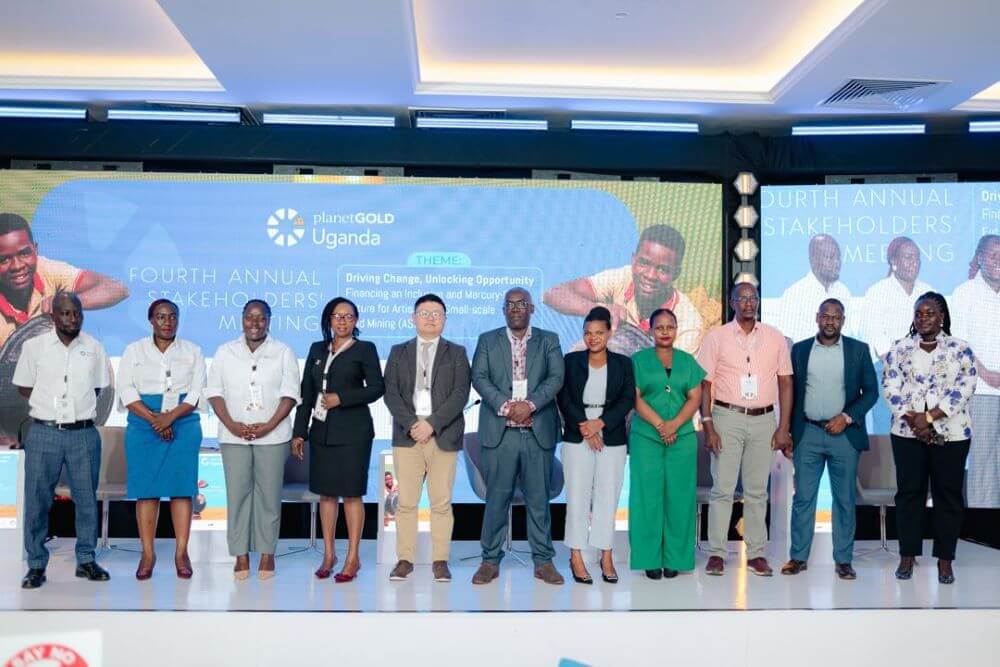
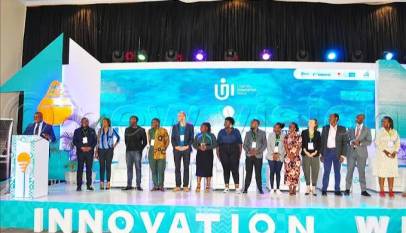
The concerns were raised during the Fourth Annual Stakeholders Meeting of the PlanetGOLD Uganda Project, focusing on Financing an inclusive and mercury-free future for Artisanal & Small scale Gold mining.
Meanwhile, Altanbagana Bayarsaikhan, PlanetGOLD Programme Lead at the United Nations Environment Programme (UNEP), commended the Government of Uganda for its efforts to eliminate mercury use in artisanal and small-scale gold mining.
However, he called for stronger interventions to address barriers to formalisation and improve miners’ access to affordable financing.
Dr. John Ekure, a board member of the National Environment Management Authority (NEMA), urged artisanal miners to recognise mercury as a serious threat to their health and livelihoods.
He challenged miners to embrace safer alternatives already available, warning that the economic benefits of gold mining should not come at the expense of human life.
“”Wealth gained through hazardous practices is meaningless if it comes at the cost of your lives,” he cautioned.
The Ministry of Energy and Mineral Development has also called for increased stakeholder engagement and investment in economically viable mercury-free technologies to transform Uganda’s artisanal and small-scale gold mining sector.
Assistant Commissioner for Geosciences Grace Nassuna said the Mining and Minerals Act, 2022, prohibits the use of mercury in mineral processing, making the adoption of safer alternatives a legal requirement.
She urged financial institutions to develop affordable financing options for artisanal miners to help them acquire modern equipment, improve gold recovery and increase productivity.