n 2011, a crested macaque named Naruto picked up a wildlife photographer’s unattended camera in Indonesia and took several photographs of itself. One of the images, a close-up selfie showing the monkey grinning into the lens, would become one of the most recognisable wildlife photographs in the world.
But the photograph would become famous for more than its unusual subject. It sparked a legal dispute over a deceptively simple question: who owns a photograph taken by a monkey?
The photographer, David Slater, had brought the equipment into the forest, but Naruto had operated the camera and taken the photograph. When the images were published, the question of authorship and copyright ownership became the subject of a legal dispute.
In 2018, the United States Court of Appeals for the Ninth Circuit affirmed that animals could not claim statutory standing under the US Copyright Act. The case, however, left a much bigger question in the public imagination: who is the creator when the person who sets the process in motion is not the one who produces the final work?
More than a decade later, artificial intelligence is bringing that question into much sharper focus.
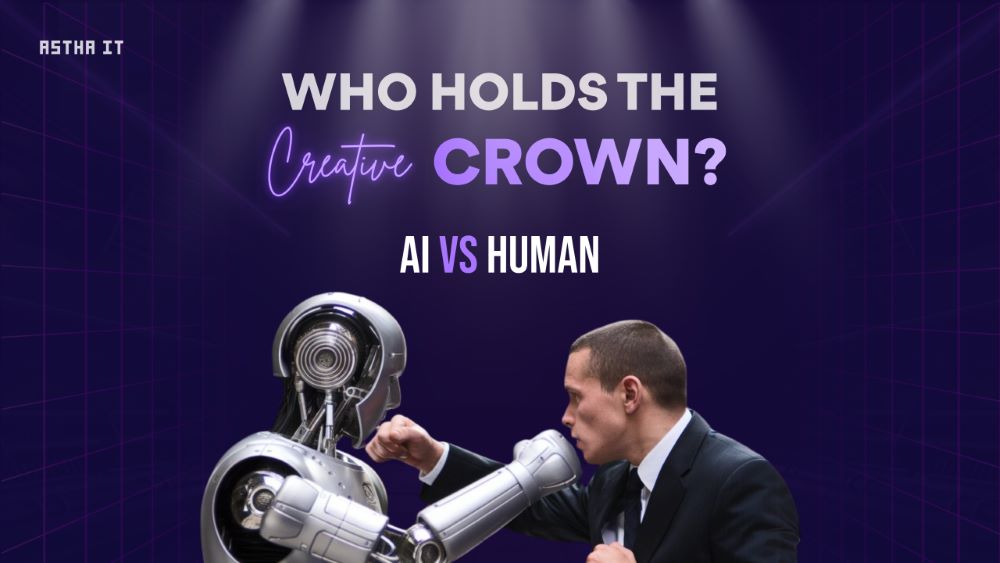
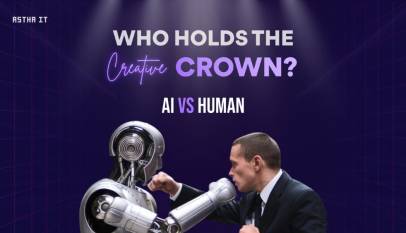
Today, a person can enter a few instructions into an AI system and generate a photograph, compose a piece of music, produce a film or write an entire piece of content. The human may provide the idea or creative direction, but the machine can undertake a substantial part of the actual production.
For renowned intellectual property lawyer Grace Nakabugo, this development goes to the very foundation of intellectual property: the recognition and protection of human ingenuity.
The question, therefore, is no longer simply who created the work, but what happens when the machine performs a significant part of the creative process.
When machines enter the creative space
Intellectual property was established to recognise and reward creations of the human mind. Whether it is a book, photograph, musical composition or invention, the underlying principle is that human creativity and innovation deserve recognition and protection.
But artificial intelligence is challenging the assumptions upon which this system was built.
Nakabugo explains that intellectual property has traditionally been examined through four fundamental questions: who created the work, who owns it, who can use it and who gets paid for its use.
These questions become considerably more complicated when machines enter the creative process.
In some instances, a human being may have conceived the idea and directed the creative process, while AI performs specific tasks. In others, the machine may generate much of the final product with limited human intervention.
The distinction is important because the person who initiates a creative process is not necessarily the person who makes all the creative decisions that determine its outcome.
As Nakabugo points out, the emergence of AI requires a closer examination of creation, ownership, use and remuneration rather than assuming that the traditional questions can simply be applied in the same way.
Separating what trains AI from what it creates
Another complication lies in distinguishing between the intellectual property used to train an AI system and the rights attached to the content that the system subsequently generates.
AI systems are trained using large volumes of information, which may include copyrighted books, music, films and other human-created works.
This raises questions about whether such material can legally be used to train AI systems and what protections should be available to the original creators.
However, Nakabugo cautions against conflating the material used to train AI with the intellectual property in the output it produces.
The two raise different questions.
The first concerns the copyrighted material used in developing and training the technology. The second concerns the authorship and ownership of the resulting work.
For example, determining whether an AI system has been trained using copyrighted music is a different exercise from establishing who owns a new musical composition generated by that system.
As AI-generated content becomes more widespread, this distinction will be essential to determining how existing intellectual property protections apply.
The human contribution test
For Nakabugo, perhaps the most critical question in determining what qualifies as human intellectual property is the actual role played by the human being in creating the work.
She draws a distinction between AI-assisted creation and AI-generated content.
In AI-assisted work, the technology functions as a tool supporting the creative process. An artist may use an application to develop an image, a filmmaker may use AI in production or a writer may use it to refine a piece of work.
But the human remains responsible for the creative direction and decisions that shape the final product.
In AI-generated work, the machine may produce the content with little or no meaningful human creative intervention.
Nakabugo argues that the stronger the human contribution, the stronger the basis for treating the resulting work as human intellectual property.
This shifts the discussion beyond whether AI was used to examine how it was used and how much intellectual and creative input came from the human being.
It also raises a difficult question about authorship: is the person who conceived the idea the author, or is authorship determined by the person who actually made the creative decisions?
Simply having an idea or entering a prompt may not necessarily establish the level of human creative contribution required for intellectual property protection.
The distinction is particularly important because AI can now produce work independently of detailed human direction. In such circumstances, establishing the human contribution becomes much more difficult.
What does this mean for African creators and businesses?
For African creators, publishers, musicians, filmmakers, businesses and technology developers, these questions extend beyond legal interpretation. They have implications for how creative work is protected, commercialised and monetised.
Nakabugo notes that human creativity remains central to copyright protection in many African countries.
She draws a parallel with earlier creative technologies. The introduction of cameras did not make the camera the author of a photograph, just as the use of editing software such as Photoshop did not automatically transfer authorship from the artist to the software.
The technology may facilitate the process, but human creativity remains an important consideration.
Artificial intelligence, however, introduces a more complicated dimension because it can undertake creative tasks with varying degrees of human involvement.
For businesses, this raises questions about the ownership of commissioned content, the commercial use of AI-generated products and the rights attached to creative material produced using AI tools.
For individual creators, the implications are equally significant. As AI becomes more accessible, understanding the extent of human contribution to a work may become increasingly important when seeking to establish ownership and protect commercial interests.
For policymakers, the challenge is determining whether existing copyright frameworks are sufficiently equipped to address these developments, particularly as AI becomes more deeply embedded in creative and commercial production.
The debate is therefore not simply about whether machines can create. It is about how intellectual property systems should recognise, protect and reward creativity when the production process is no longer exclusively human.
The monkey selfie raised an unusual question about whether an animal could claim ownership of a photograph. Artificial intelligence has taken that question much further, challenging the assumptions around human authorship, creative contribution and ownership.
As Nakabugo’s analysis suggests, the starting point for answering these questions remains the same: who created the work, who owns it, who can use it and who gets paid?
But perhaps the most important question in the age of AI comes before all four:
When a machine creates, how much of the human being remains in the work?
By Ruth Adong