Scientists Raise Alarm Over Neglected Blood Disorders Across Africa
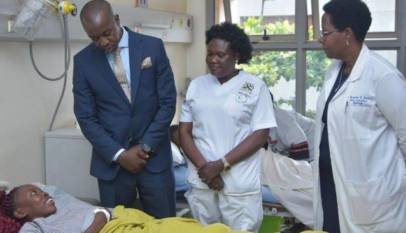
Scientists and health officials have urged African governments to integrate treatment for rare blood disorders such as hemophilia and thalassemia into routine healthcare services, warning that poor awareness and delayed diagnosis are causing unnecessary suffering and deaths.
They note that health workers are often clueless on how to handle such cases, leading to patients’ unnecessary suffering and deaths.
Dr Mohammed Abdulaziz, the head of Disease Control at the Africa Center for Disease Control and Prevention (Africa CDC), said that diseases such as hemophilia and thalassemia continue to wreak havoc in communities as healthcare managers remain largely unaware of the exact burden.
Thalassemia is a hereditary blood disorder characterized by reduced hemoglobin production, leading to anemia and related complications. Hemophilia is an inherited disorder that impairs the body’s ability to make blood clots, leading to prolonged bleeding and difficulty in healing traumatic injuries.
Mohammed said that in many sufferers, these diseases are often detected late, and they are subjected to many unnecessary treatments, sometimes dangerously ending up in shrines and in the hands of traditional surgeons.
In Uganda, the exact prevalence of these disorders remains unknown as no studies have been done to estimate how many people are affected.
However, through clinical records of those who visit health facilities for care, about 5000 are estimated to be living with hemophilia.
Only about nine percent of the patients are diagnosed and known to be living with the condition.
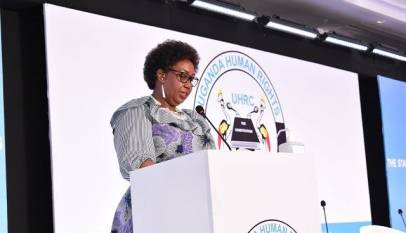
Dr Diana Atwine, the Permanent Secretary in the Ministry of Health, notes that the silence on these blood disorders is partly because donor funding has largely ignored investment into their management. As a result, they are not placed on funding priority lists.
Atwine said more efforts are geared towards managing Sickle Cell Disease, a similar blood disorder. She said they intend to deploy the same testing interventions in mandatory sickle cell newborn screening to detect these silent diseases.
Dr. Atwine says that as they push for the availability of hydroxyurea for the management of sickle cell disease, they intend to integrate drugs for thalassemias and hemophilia.
Meanwhile, delegates attending the meeting said the challenges faced in Uganda are similar to those in other countries in Africa.
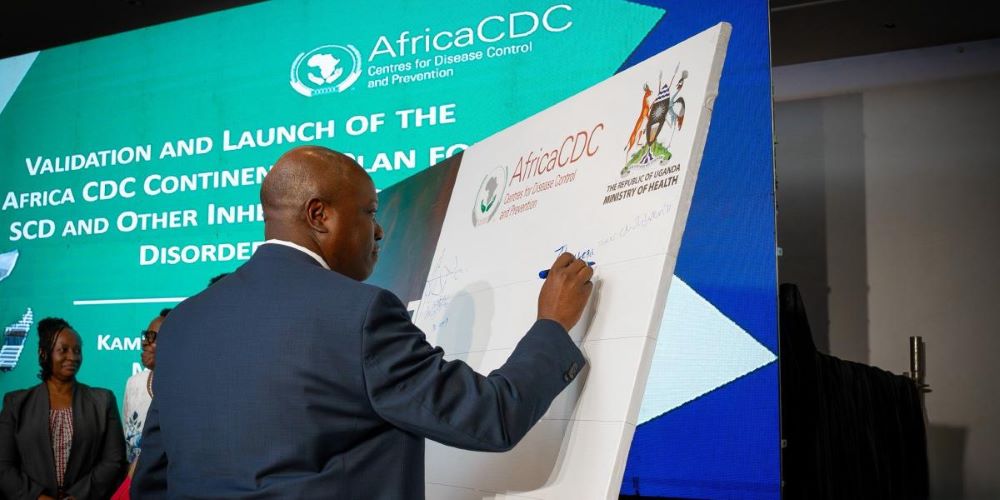
They called for partnerships and signed a continental plan, which will assist them in coordinating, generating data, and sharing knowledge if they are to defeat these disorders, which appear to be disproportionately affecting Africans.
Scientists Raise Alarm Over Neglected Blood Disorders Across Africa

Teen Takes Own Life After Family Dispute in Bukedea
Nankabirwa Confident of Keeping Ministerial Post as Cabinet Reshuffle Looms
Museveni Supporter Dies After Eating at Food Stall
Scientists Raise Alarm Over Neglected Blood Disorders Across Africa
Teen Takes Own Life After Family Dispute in Bukedea
Nankabirwa Confident of Keeping Ministerial Post as Cabinet Reshuffle Looms
Museveni Supporter Dies After Eating at Food Stall
Teen Takes Own Life After Family Dispute in Bukedea
The community of Kakori village in Kabarwa Sub County, Bukedea District, is grappling with…
Now On Air – 88.2 Sanyu Fm
Get Hooked Right Here
DON'T MISS!!!
Scientists Raise Alarm Over Neglected Blood Disorders Across Africa
Scientists and health officials have urged African governments to integrate treatment for rare blood disorders such as hemophilia and thalassemia into routine healthcare services, warning that poor awareness and delayed diagnosis are causing unnecessary suffering and deaths.