Moroto Faces Condom Shortage as HIV Infections Surge
Home Trending News Current Affairs Moroto Faces Condom Shortage as HIV Infections Surge
Current Affairs - Trending News - 2 hours ago

Moroto Faces Condom Shortage as HIV Infections Surge


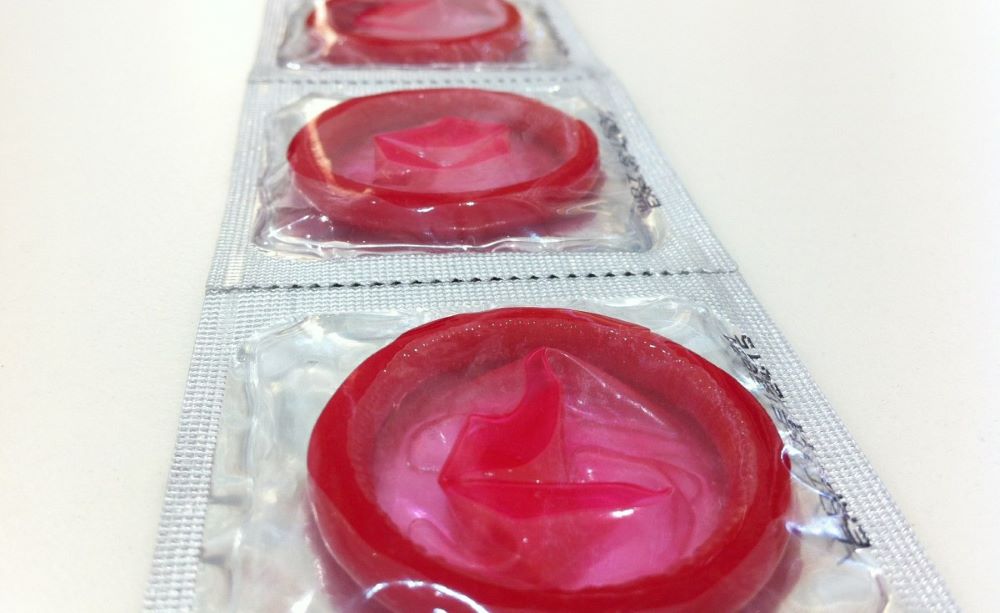
The empty condom dispensers hanging on the walls of health facilities, bars, hotels and public offices across Moroto District have become a growing concern for HIV/AIDS educators, who warn that the shortage could fuel new HIV infections if supplies are not restored urgently.

 Hassan Naburi, Chairperson of the National Forum of People Living with HIV/AIDS Networks (NAFOPHANU) in Moroto, says the district’s rapid economic growth and increasing influx of people have heightened the risk of HIV transmission at a time when condoms are no longer available.

“We now have investors in the region that have created job opportunities, and the jobs have attracted more people to the town. But you realize that these people don’t move with their spouses. Instead, they get their partners from within. How shall we ensure their safety if there are no condoms?” Naburi asked.

He appealed to development partners and the government to urgently resume condom supplies to prevent a wider spread of HIV in the district. Although HIV prevalence in Moroto District stands at 2.1 percent, below the national average of 2.5 percent, HIV/AIDS educators say new infections have increased more than tenfold in recent months.

Charles Onyang Omudu, the District HIV/AIDS Focal Point Officer, acknowledges that new HIV infections are rising rapidly and require innovative interventions. Omudu attributes the increase to the growing commercial sex industry driven by the influx of people seeking economic opportunities in the district.

He also cites multiple sexual partnerships as another major driver of infections. “The population in the mining sector is at high risk of contracting HIV as some community members use sex in exchange for services,” Omudu says. He explains that condoms, which remain a key prevention tool, are no longer readily available after development partners that previously supplied them suspended operations following the USAID funding cuts.Omudu says the Uganda People’s Defence Forces (UPDF) briefly filled the gap by supplying Ulinzi condoms, but those supplies have also since run out. 
 
“The number of condoms has drastically reduced, exposing the population to a high risk of contracting HIV,” Omudu says. He called on partners to support the provision and utilization of condoms as the most immediate intervention to reduce HIV transmission.


In June 2026, the Uganda AIDS Commission trained health educators and HIV/AIDS focal persons across the Karamoja sub-region ahead of the rollout of Lenacapavir, a new twice-yearly injectable HIV prevention medicine recently introduced by the Ministry of Health.

Check Also

Seven Parliament Staff Remanded Over Ugx 27.2 Billion Scandal

The Anti-Corruption Court in Kampala has remanded seven employees of the Parliament to Luz…