
Uganda Has Plenty of Founders. Innovation Week Must Prove It Can Build Scale.

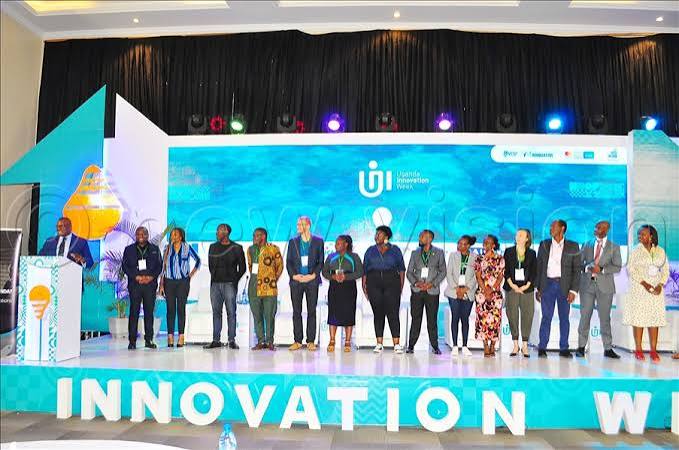
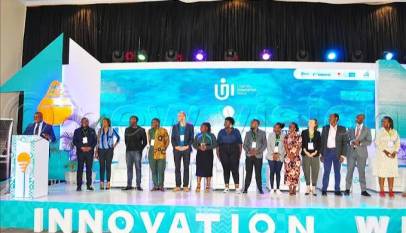
When Uganda Innovation Week opens at the UICT grounds in Nakawa on 9 November, it will be the biggest edition yet: five days instead of three, with a target of more than 3,000 participants. That is nearly double the 1,755 who attended in person in 2023, and far more than the 2,000-plus who gathered at Kololo Airstrip in 2019, when it began as Kampala Innovation Week and launched Startup Uganda. The numbers show the ecosystem has grown. The week’s five themes ask whether its businesses have.
Maren Hald Bjorgum was there for that first edition. She is Chief Communications Officer at Emaata and arrived in Uganda in 2018. Her story of the years since is one of whiplash. First came the Afro-optimism and the unicorn rounds. Then global interest rates rose, and the continent went from high-risk, high-reward to simply high-risk. Profit became the only thing investors wanted, and many startups did not survive. Emaata did, and she is candid that luck played a part. What is returning now is optimism with scar tissue.
That history sits inside the first two themes. “Building for Africa, from Uganda” is about homegrown solutions built to scale across the continent. Maren’s advice is to build local first, while asking at every product decision what it would look like next door. Uganda, she says, is a good test lab, with liberal rules and sandboxes that founders underuse, but it is too small to stop there. “Money, Markets and the Future of Finance” covers funding gaps, fintech and the AfCFTA trade opportunity, and her view of the gap is blunt. Angel capital has never really existed on the continent, grants chase impact instead of returns, and Uganda’s wealthy put their savings into government bonds. If companies are solving local problems, Europe cannot be their permanent funder. Alternative finance, she adds, is a lottery ticket, not a plan.

The third theme, “Policy, Power and the Startup Act,” is where the week tries to leave a paper trail. Its Innovation Policy Forum will end with written positions, published afterwards by Startup Uganda. Maren brings the view from the ground: ask any business owner what killed their company, she says, and the answer is usually URA. Her advice is to hire a finance person early, even for two or three days a month, and not to hide from the taxman. URA is now among the week’s partners, which should make the forum lively.
“Deep Tech, Climate and the Next Frontier” covers AI, CleanTech, AgriTech and HealthTech, and the Tech Experience Zone will show some of it live, with an AI corner, drones, VR and live coding. Emaata offers a useful contrast, because it finances farmers, not tech companies. Maren’s challenge to her own sector is that financiers talk creatively but act cautiously. Mobile money data is the best most have managed, yet people without credit histories still have histories worth scoring. Emaata reads delivery data to gauge a farmer’s liquidity, and she wants to see similar approaches for MSMEs.
The fifth theme, “The Ecosystem Builders: IESOs, Talent and the Long Game,” covers the organisations and mentors who make the system work, and it is where her boldest idea lands. Uganda, she argues, needs fewer entrepreneurs and more employees. Necessity pushes people into the chapati business, but most businesses only make sense at scale, and very few here reach it. Her advice is to learn inside a well-run company before building your own. The week’s design points the same way, with practitioner-led master classes, investor pitches, an exhibition of more than 60 startups, hubs and corporates, and awards on the closing day. Each puts a business in front of someone who can help it grow.
Maren will test these ideas live. Emaata, with the Netherlands Embassy, hosts a panel on how startups grow into scale-ups and, potentially, exits. There is one number to hold the week to. Women made up 29.6 per cent of participants in 2023, and a week about the next decade will be judged on who is in the room as well as how many.
Her own measure is simple. The willingness to talk about innovation is large, she says, and the willingness to act on it is still small. Five days in Nakawa should show which one wins.


PlanetGOLD Uganda to Introduce Free Mercury-Free Mining Machines by March 2027
The PlanetGOLD Uganda Project is preparing to introduce free mercury-free mining machines …





















Uganda Has Plenty of Founders. Innovation Week Must Prove It Can Build Scale.
When Uganda Innovation Week opens at the UICT grounds in Nakawa on 9 November, it will be the biggest edition yet: five days instead of three, with a target of more than 3,000 participants.