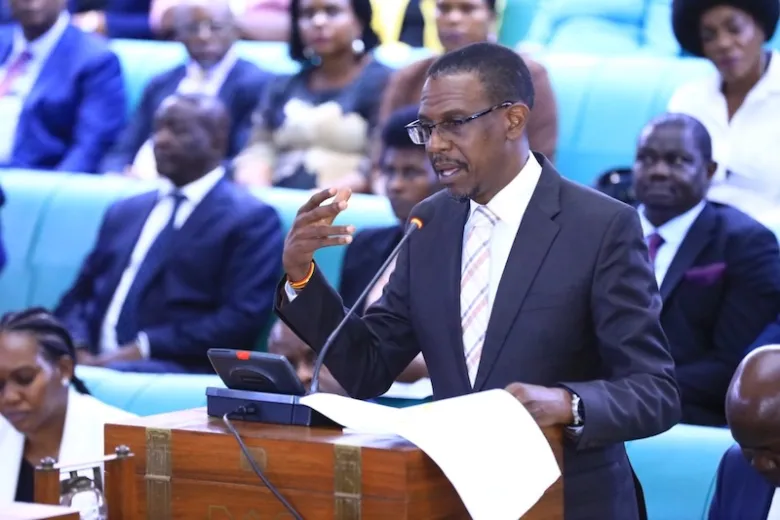
Foreign relations experts have warned that Uganda could face reduced international funding if the proposed Sovereignty Bill is passed into law, citing concerns over restrictions on foreign support to critical sectors.
The Bill, which has sparked debate across the country, seeks to assert greater national control over external influence, particularly funding from international organisations. However, critics argue that several of its provisions could have unintended economic and diplomatic consequences.
Abdul Baraka, a foreign policy analyst, says the legislation risks projecting Uganda as a country that no longer requires foreign assistance.
“It creates the impression that Uganda can independently sustain its development programmes without external support, which is not the current reality,” he said.
Uganda relies significantly on foreign aid to finance key sectors such as health, education, and infrastructure. According to recent budget estimates, external financing accounts for a notable share of government expenditure, particularly in donor-funded projects and social programmes.
Baraka warns that development partners could reconsider their commitments if the law introduces conditions that conflict with their funding frameworks.
“Many international organisations operate under strict guidelines. If these are restricted, they may find it difficult to continue their support,” he added.
One of the contentious provisions reportedly includes a cap on foreign funding, limiting inflows to 400 million shillings. Analysts say this could constrain capital inflows and affect non-governmental organisations and development partners that play a significant role in service delivery.
At the same time, concerns have been raised about broader economic implications. Uganda’s private sector includes a substantial number of foreign-owned or foreign-backed companies, particularly in manufacturing, telecommunications, and banking.
Critics argue that tighter controls could discourage foreign direct investment, which has been a key driver of economic growth and job creation.
Baraka believes the Bill may be politically motivated but cautions that its long-term impact could be significant.
“While there are elements aimed at strengthening national sovereignty, the wider implications on investment, aid, and economic stability must be carefully considered,” he said.
Supporters of the Bill, however, argue that it is necessary to protect Uganda’s national interests and reduce overreliance on external actors. They say stronger regulation of foreign influence could enhance accountability and promote self-sufficiency.
The debate comes at a time when several African countries are reassessing their engagement with international donors and development partners, balancing sovereignty concerns with economic realities.
As Parliament considers the next steps, analysts say the challenge will be finding a balance between safeguarding national independence and maintaining the international partnerships that underpin much of Uganda’s development.