Current Affairs -
Trending News -
May 7, 2026
Supplementary Budget Disorganise NDP Implementation
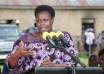
The National Planning Authority (NPA) is concerned about the persistent budget indiscipline, especially supplementary budgeting, which it says disrupts the whole planning and implementation function of the government. Winnie Nabiddo (PhD), Senior Manager, Research and Development Performance at NPA, says while supplementary budgeting is allowed for under the Public Finance Management Act, it has limitations, including definitions of emergencies or unforeseeable events that need extra funds.
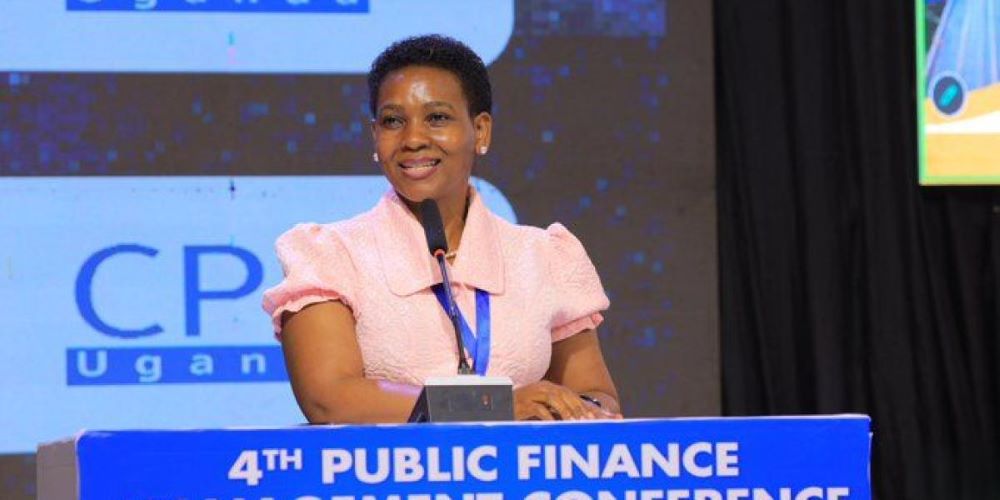
She says that the unfortunate practice is where, despite the emphasis placed by the Permanent Secretary and Secretary to the Treasury (PSST) against misusing the law, some ministries, departments and agencies continue to disregard the directives. These, including the approval of supplementary budgets above the stated limit, lead to discrediting of the budgeting process, according to Dr Nabiddo.
She was speaking about the transition from the Third National Development Plan (NDP3) to NDP4 and the role of the Public Finance Management in the Tenfold Growth Strategy, at the 4TH Public Finance Management Conference by the Institute of Certified Public Accountants of Uganda (ICPAU), on Wednesday.
On Tuesday, Parliament passed a supplementary expenditure worth about UGX 1.1 trillion, with the supplementary expenditure within the 3 percent limits amounting to UGX 519 billion, while that above 3 percent was UGX 586.16 billion. According to the PFMA, 2015, the total supplementary expenditure that can be approved in a financial year should not exceed 3 percent of the total approved national budget for that year.
Supplementary expenditures that fall within this 3 percent limit can be authorized by the Minister of Finance, often without prior parliamentary approval, though they are reported to Parliament later. If a supplementary request exceeds the 3 percent threshold, it requires direct approval from Parliament before the money can be spent.
The approved expenditure also included funds for LC and Women Council elections, wages and pensions, recruitments for regional referral hospitals, and operationalisation of newly constructed schools, among others, some of which are considered not emergencies. Nabiddo says that while the national budget is done in close cooperation with NPA to align it with the NDP, along the way, implementation by the other MDAs leads to differences between the planned outcomes and the real outcomes at the end of the period.
She says transparency and accountability remain at the heart of effective public financial management, emphasising the importance of strong governance systems in ensuring public resources are allocated efficiently and responsibly. Another challenge facing the implementation of the government plans is the overlaps in authority where different officials end up making different budgetary requests under the same programme, she says.
The accountants expressed worry about the likely impact of some tax measures, including excise duty on essential commodities like fuel, especially as the global petroleum industry is suffering a scarcity, high transportation costs, and therefore rising local prices. ICPAU President, David Timothy Ediomu, however, hailed the government plan of raising the threshold for Pay-and-You-Earn and raising domestic revenues to cover almost half of the next budget. He calls on President Museveni to review the budgetary provisions that are likely to have adverse effects on the ordinary citizen and the economy generally.
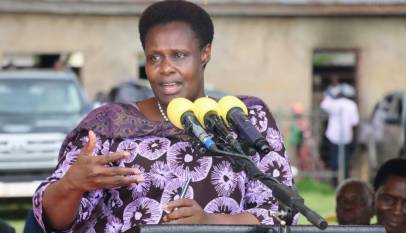
Prime Minister Robina Nabbanja urged the accountancy fraternity to help the government in its efforts to improve accountability in public finance management, adding that a lot of measures had been put in place.
She said that effective Public Finance Management remained central to Uganda’s economic transformation, particularly as the country transitions into NDP4, emphasizing the importance of expanding domestic revenue mobilisation, promoting equitable and sustainable taxation, and ensuring every shilling delivers real value to citizens. She says only prudent expenditure and efficient revenue mobilisation and management will lead to the successful attainment of the tenfold growth.

The National Planning Authority (NPA) is concerned about the persistent budget indiscipline, especially supplementary budgeting, which it says disrupts the whole planning and implementation function of the government. Winnie Nabiddo (PhD), Senior Manager, Research and Development Performance at NPA, says while supplementary budgeting is allowed for under the Public Finance Management Act, it has limitations, including definitions of emergencies or unforeseeable events that need extra funds.
She says that the unfortunate practice is where, despite the emphasis placed by the Permanent Secretary and Secretary to the Treasury (PSST) against misusing the law, some ministries, departments and agencies continue to disregard the directives. These, including the approval of supplementary budgets above the stated limit, lead to discrediting of the budgeting process, according to Dr Nabiddo.
She was speaking about the transition from the Third National Development Plan (NDP3) to NDP4 and the role of the Public Finance Management in the Tenfold Growth Strategy, at the 4TH Public Finance Management Conference by the Institute of Certified Public Accountants of Uganda (ICPAU), on Wednesday.
On Tuesday, Parliament passed a supplementary expenditure worth about UGX 1.1 trillion, with the supplementary expenditure within the 3 percent limits amounting to UGX 519 billion, while that above 3 percent was UGX 586.16 billion. According to the PFMA, 2015, the total supplementary expenditure that can be approved in a financial year should not exceed 3 percent of the total approved national budget for that year.
Supplementary expenditures that fall within this 3 percent limit can be authorized by the Minister of Finance, often without prior parliamentary approval, though they are reported to Parliament later. If a supplementary request exceeds the 3 percent threshold, it requires direct approval from Parliament before the money can be spent.
The approved expenditure also included funds for LC and Women Council elections, wages and pensions, recruitments for regional referral hospitals, and operationalisation of newly constructed schools, among others, some of which are considered not emergencies. Nabiddo says that while the national budget is done in close cooperation with NPA to align it with the NDP, along the way, implementation by the other MDAs leads to differences between the planned outcomes and the real outcomes at the end of the period.
She says transparency and accountability remain at the heart of effective public financial management, emphasising the importance of strong governance systems in ensuring public resources are allocated efficiently and responsibly. Another challenge facing the implementation of the government plans is the overlaps in authority where different officials end up making different budgetary requests under the same programme, she says.
The accountants expressed worry about the likely impact of some tax measures, including excise duty on essential commodities like fuel, especially as the global petroleum industry is suffering a scarcity, high transportation costs, and therefore rising local prices. ICPAU President, David Timothy Ediomu, however, hailed the government plan of raising the threshold for Pay-and-You-Earn and raising domestic revenues to cover almost half of the next budget. He calls on President Museveni to review the budgetary provisions that are likely to have adverse effects on the ordinary citizen and the economy generally.
Prime Minister Robina Nabbanja urged the accountancy fraternity to help the government in its efforts to improve accountability in public finance management, adding that a lot of measures had been put in place.
She said that effective Public Finance Management remained central to Uganda’s economic transformation, particularly as the country transitions into NDP4, emphasizing the importance of expanding domestic revenue mobilisation, promoting equitable and sustainable taxation, and ensuring every shilling delivers real value to citizens. She says only prudent expenditure and efficient revenue mobilisation and management will lead to the successful attainment of the tenfold growth.
She says that the unfortunate practice is where, despite the emphasis placed by the Permanent Secretary and Secretary to the Treasury (PSST) against misusing the law, some ministries, departments and agencies continue to disregard the directives. These, including the approval of supplementary budgets above the stated limit, lead to discrediting of the budgeting process, according to Dr Nabiddo.
She was speaking about the transition from the Third National Development Plan (NDP3) to NDP4 and the role of the Public Finance Management in the Tenfold Growth Strategy, at the 4TH Public Finance Management Conference by the Institute of Certified Public Accountants of Uganda (ICPAU), on Wednesday.
On Tuesday, Parliament passed a supplementary expenditure worth about UGX 1.1 trillion, with the supplementary expenditure within the 3 percent limits amounting to UGX 519 billion, while that above 3 percent was UGX 586.16 billion. According to the PFMA, 2015, the total supplementary expenditure that can be approved in a financial year should not exceed 3 percent of the total approved national budget for that year.
Supplementary expenditures that fall within this 3 percent limit can be authorized by the Minister of Finance, often without prior parliamentary approval, though they are reported to Parliament later. If a supplementary request exceeds the 3 percent threshold, it requires direct approval from Parliament before the money can be spent.
The approved expenditure also included funds for LC and Women Council elections, wages and pensions, recruitments for regional referral hospitals, and operationalisation of newly constructed schools, among others, some of which are considered not emergencies. Nabiddo says that while the national budget is done in close cooperation with NPA to align it with the NDP, along the way, implementation by the other MDAs leads to differences between the planned outcomes and the real outcomes at the end of the period.
She says transparency and accountability remain at the heart of effective public financial management, emphasising the importance of strong governance systems in ensuring public resources are allocated efficiently and responsibly. Another challenge facing the implementation of the government plans is the overlaps in authority where different officials end up making different budgetary requests under the same programme, she says.
The accountants expressed worry about the likely impact of some tax measures, including excise duty on essential commodities like fuel, especially as the global petroleum industry is suffering a scarcity, high transportation costs, and therefore rising local prices. ICPAU President, David Timothy Ediomu, however, hailed the government plan of raising the threshold for Pay-and-You-Earn and raising domestic revenues to cover almost half of the next budget. He calls on President Museveni to review the budgetary provisions that are likely to have adverse effects on the ordinary citizen and the economy generally.
Prime Minister Robina Nabbanja urged the accountancy fraternity to help the government in its efforts to improve accountability in public finance management, adding that a lot of measures had been put in place.
She said that effective Public Finance Management remained central to Uganda’s economic transformation, particularly as the country transitions into NDP4, emphasizing the importance of expanding domestic revenue mobilisation, promoting equitable and sustainable taxation, and ensuring every shilling delivers real value to citizens. She says only prudent expenditure and efficient revenue mobilisation and management will lead to the successful attainment of the tenfold growth.
The National Planning Authority (NPA) is concerned about the persistent budget indiscipline, especially supplementary budgeting, which it says disrupts the whole planning and implementation function of the government. Winnie Nabiddo (PhD), Senior Manager, Research and Development Performance at NPA, says while supplementary budgeting is allowed for under the Public Finance Management Act, it has limitations, including definitions of emergencies or unforeseeable events that need extra funds.
She says that the unfortunate practice is where, despite the emphasis placed by the Permanent Secretary and Secretary to the Treasury (PSST) against misusing the law, some ministries, departments and agencies continue to disregard the directives. These, including the approval of supplementary budgets above the stated limit, lead to discrediting of the budgeting process, according to Dr Nabiddo.
She was speaking about the transition from the Third National Development Plan (NDP3) to NDP4 and the role of the Public Finance Management in the Tenfold Growth Strategy, at the 4TH Public Finance Management Conference by the Institute of Certified Public Accountants of Uganda (ICPAU), on Wednesday.
On Tuesday, Parliament passed a supplementary expenditure worth about UGX 1.1 trillion, with the supplementary expenditure within the 3 percent limits amounting to UGX 519 billion, while that above 3 percent was UGX 586.16 billion. According to the PFMA, 2015, the total supplementary expenditure that can be approved in a financial year should not exceed 3 percent of the total approved national budget for that year.
Supplementary expenditures that fall within this 3 percent limit can be authorized by the Minister of Finance, often without prior parliamentary approval, though they are reported to Parliament later. If a supplementary request exceeds the 3 percent threshold, it requires direct approval from Parliament before the money can be spent.
The approved expenditure also included funds for LC and Women Council elections, wages and pensions, recruitments for regional referral hospitals, and operationalisation of newly constructed schools, among others, some of which are considered not emergencies. Nabiddo says that while the national budget is done in close cooperation with NPA to align it with the NDP, along the way, implementation by the other MDAs leads to differences between the planned outcomes and the real outcomes at the end of the period.
She says transparency and accountability remain at the heart of effective public financial management, emphasising the importance of strong governance systems in ensuring public resources are allocated efficiently and responsibly. Another challenge facing the implementation of the government plans is the overlaps in authority where different officials end up making different budgetary requests under the same programme, she says.
The accountants expressed worry about the likely impact of some tax measures, including excise duty on essential commodities like fuel, especially as the global petroleum industry is suffering a scarcity, high transportation costs, and therefore rising local prices. ICPAU President, David Timothy Ediomu, however, hailed the government plan of raising the threshold for Pay-and-You-Earn and raising domestic revenues to cover almost half of the next budget. He calls on President Museveni to review the budgetary provisions that are likely to have adverse effects on the ordinary citizen and the economy generally.
Prime Minister Robina Nabbanja urged the accountancy fraternity to help the government in its efforts to improve accountability in public finance management, adding that a lot of measures had been put in place.
She said that effective Public Finance Management remained central to Uganda’s economic transformation, particularly as the country transitions into NDP4, emphasizing the importance of expanding domestic revenue mobilisation, promoting equitable and sustainable taxation, and ensuring every shilling delivers real value to citizens. She says only prudent expenditure and efficient revenue mobilisation and management will lead to the successful attainment of the tenfold growth.
7 hours ago
0 261
Ninye Tabz Out on Police Bond Following 5-Day Detention
7 hours ago
0 244
Kenyan Lawyers Condemn Martha Karua’s Deportation From Uganda
23 hours ago
0 138
18 children rescued in a suspected human trafficking case
23 hours ago
0 144
EC Unveils Roadmap for LCI AND II Elections
1 day ago
0 105
Besigye Lawyers Demand Martha Karua’s Immediate Release
18 children rescued in a suspected human trafficking case
Police in Wakiso District have rescued 18 children in a suspected human trafficking case a…
Now On Air – 88.2 Sanyu Fm
Get Hooked Right Here
DON'T MISS!!!
Muhoozi Responds to Besigye Allegations, Defends Treason Prosecution
The Chief of Defence Forces, Gen. Muhoozi Kainerugaba, and the Attorney General have asked the High Court Criminal Division to dismiss an application by