Government Seeks Two Weeks to Resolve Wi-Fi Hotspot Licensing Dispute
The Government has sought two weeks to resolve a dispute over the licensing of local Wi-Fi hotspot operators, following concerns that existing regulatory requirements could force small businesses out of the market and disrupt access to affordable internet.
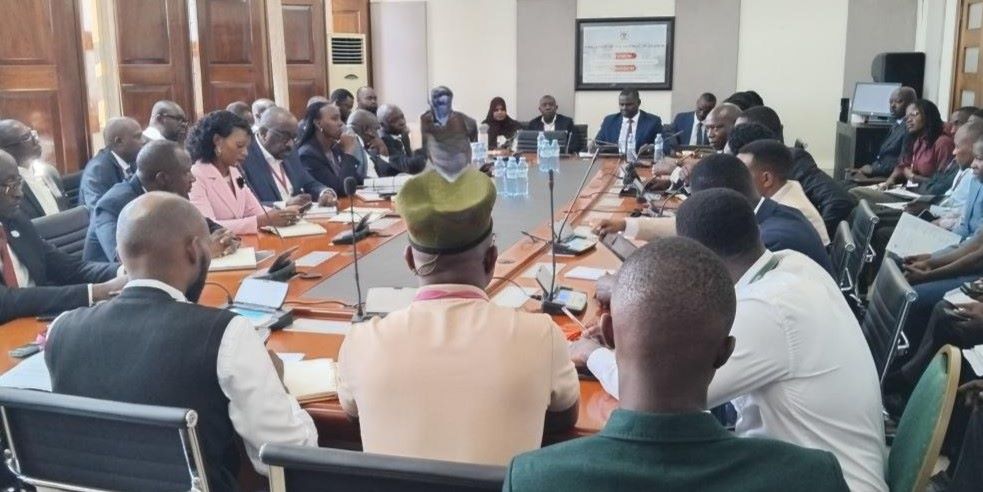
ICT Minister Kasule Lumumba told Parliament’s Committee on Information and Communications Technology that the ministry needed more time to consult telecommunications companies, internet service providers, regulators and the petitioners before presenting a comprehensive solution.
The dispute follows a petition by the Kampala City Traders Association (KACITA), which wants Parliament to support a special micro-network service provider licence for hotspot operators who buy internet packages and redistribute connectivity to paying customers.
The operators argue that they have extended internet access to underserved communities and created livelihoods but face closure because existing licensing requirements and costs are difficult for small businesses to meet.
The committee, chaired by Andrew Ojok Oulanyah, agreed to further engagement, with the minister committing to work with stakeholders on a regulatory framework that accommodates small businesses while protecting licensed service providers.
MTN Uganda marketing officer Mackinon Kabarole told the committee that hotspot operators were not necessarily illegally tapping into telecommunications networks but were repurposing internet packages intended for individual or designated business use for commercial resale.
He said customers who purchase home internet packages and redistribute connectivity to neighbours for a fee breach the terms under which the services were supplied, adding that redistributing internet services without the required licence also contravened Uganda Communications Commission (UCC) regulations.
However, Lumumba questioned whether all hotspot operators had similar contractual arrangements with telecommunications providers, noting that some had contracts while others did not.
KACITA chairman Hajji Issa Sekitto said the association took up the matter after receiving complaints from hotspot operators, many of whom are its members.
He argued that the businesses had filled gaps in internet access by providing affordable connectivity for households, students and businesses that rely on online research, education and marketing.
KACITA’s Head of ICT and board member, Disan Kayima, asked Parliament to support a permanent commercial micro-network service provider licence, alongside an agency arrangement where appropriate.
He said existing licensing categories and costs could make compliance difficult for small operators, proposing a model suited to their size and operations.
In an interview, Oulanyah said the licensing regime was a major point of disagreement, with operators arguing that the cost of obtaining a licence was a barrier to entry.
He said the ministry had committed to consult telecommunications companies, internet service providers and smaller operators to establish a framework that allows the businesses to operate legally without undermining existing providers.
“This is not to say that the big boys should also bully the smaller boys,” Oulanyah said, calling for rules that allow the different players to coexist.
The petition also raised concerns over the importation of networking equipment, including routers and switches, with KACITA reporting that some consignments had been held by the Uganda Revenue Authority (URA).
Kayima said traders were uncertain about the status of equipment reportedly classified as contraband ICT equipment, arguing that similar devices could serve different purposes, including home internet installations.
Lumumba said she would engage URA, her technical team and the Ministry of Finance to clarify the requirements governing equipment imports and approval.
“We shouldn’t halt business,” she said, warning against disrupting legitimate trade while regulatory questions remained unresolved.
Oulanyah also urged authorities to avoid lengthy type-approval procedures that could frustrate small businesses seeking to comply with the rules.
He said the interim understanding was that existing hotspot services could continue during the two-week consultation period, but operators should not take on additional clients as they worked to regularise their businesses.
The committee chairperson said the government should make licensing requirements affordable for small businesses while ensuring operators handling customers’ data were accountable and fulfilled their tax obligations.
The ministry also wants to establish how hotspot operators fit into the broader digital transformation programme, including the responsibility of licensed telecommunications companies and government agencies to extend internet connectivity to underserved areas.
KACITA estimates that the sector could involve approximately 40,000 operators.
US Sanctions Rwanda’s Defence Ministry
NBRB Cites Structural Design Flaws in Makabai’s Church Collapse
Government Seeks Two Weeks to Resolve Wi-Fi Hotspot Licensing Dispute

US Sanctions Rwanda’s Defence Ministry
NBRB Cites Structural Design Flaws in Makabai’s Church Collapse
Government Seeks Two Weeks to Resolve Wi-Fi Hotspot Licensing Dispute

US Sanctions Rwanda’s Defence Ministry
The United States has imposed sanctions on Rwanda’s Ministry of Defence and a Rwandan fina…

Now On Air – 88.2 Sanyu Fm
Get Hooked Right Here
DON'T MISS!!!
US Sanctions Rwanda’s Defence Ministry
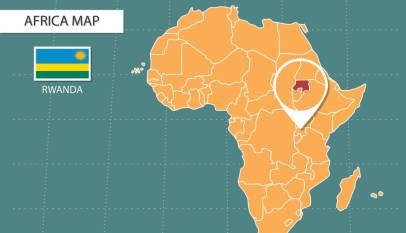
The United States has imposed sanctions on Rwanda’s Ministry of Defence and a Rwandan financial institution over alleged support for the M23 rebel group