Daily Monitor Co-Founder, Warns Against Trading Editorial Independence
Home Trending News Current Affairs Daily Monitor Co-Founder, Warns Against Trading Editorial Independence

Daily Monitor Co-Founder, Warns Against Trading Editorial Independence

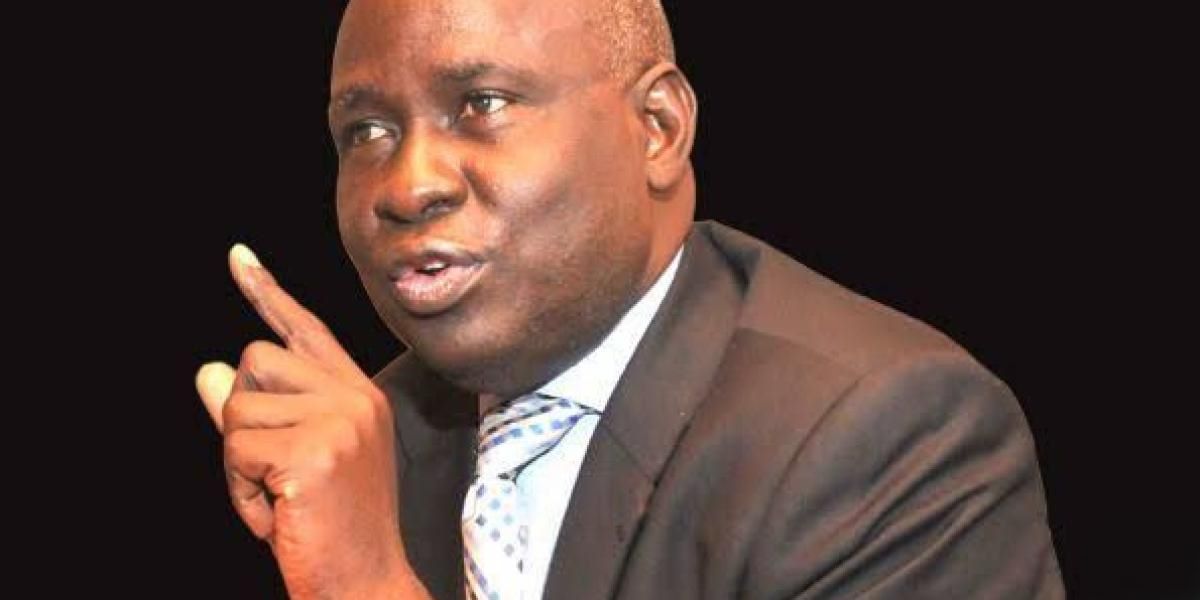
As closed-door negotiations continue over the reopening of Nation Media Group Uganda, one of the founders of the Daily Monitor, Phillip Wafula Oguttu, has warned that any agreement that would grant the government influence over editorial decisions

He says such an agreement would undermine the publication’s defining principle of independence.

Oguttu said the newspaper was created to provide Ugandans with an independent platform for public debate at a time when political parties were banned under President Yoweri Museveni’s Movement system.

Speaking during the Uganda Law Society’s RNBLive public engagement, Oguttu said preserving editorial independence was more important than reopening the publication at any cost.

Oguttu’s remarks come as senior executives from Nation Media Group’s headquarters in Nairobi continue discussions with the UPDF leadership following the closure of the company’s operations.

Monitor Publications Limited was on Sunday closed allegedly on the orders of the Chief of Defence Forces,  General Muhoozi Kainerugaba.

The talks have attracted attention because they are reportedly being led by the military rather than Uganda’s statutory media regulator, raising fresh concerns about the role of security agencies in regulating the press.


Muhoozi presented NMG executives with dozens of Daily Monitor articles which he considered biased against the government, alongside television reports aired by NTV Uganda that he reportedly described as activism rather than journalism.

On Wednesday, Colonel Chris Magezi, the Military Assistant to the Chief of Defence Forces, said in a statement that NMG management had committed itself to “Adopting a more patriotic, balanced, and objective approach to their journalism moving forward.”

For Oguttu, the current confrontation is neither unprecedented nor surprising. 


According to Oguttu, the newspaper rapidly became one of the few institutions openly questioning government policy at a time when Parliament and opposition parties offered little scrutiny.


The government’s response, he said, was to weaken the newspaper economically by banning ministries and public agencies from advertising in or purchasing the publication for nearly three years.

Oguttu argued that today’s challenge differs from earlier confrontations because the issue is no longer simply whether the newspaper resumes operations, but under what conditions.

Beyond journalism, Oguttu has long been involved in Uganda’s political history. 

Check Also

Seven Parliament Staff Remanded Over Ugx 27.2 Billion Scandal

The Anti-Corruption Court in Kampala has remanded seven employees of the Parliament to Luz…