ULS Asks DPP to Drop Charges Against Law Graduate
Home Trending News Business ULS Asks DPP to Drop Charges Against Law Graduate Accused of “Masquerading” as Advocate
Business - Trending News - 3 hours ago

ULS Asks DPP to Drop Charges Against Law Graduate Accused of “Masquerading” as Advocate

The Uganda Law Society (ULS) has asked the Director of Public Prosecutions (DPP), Lino Anguzu, to withdraw criminal charges against a 28-year-old law graduate accused of practising as an advocate without being formally enrolled

Isaac Ssemakadde argues that Nsubuga Andrew Ssekibaamu Jenkins is a victim of systemic administrative failures rather than a criminal. 

The appeal is contained in an open letter dated August 6, 2026, signed by ULS President Isaac K. Ssemakadde SC, who urged the DPP to enter a nolle prosequi in Criminal Case No. 896 of 2026, Uganda v. Nsubuga Andrew Ssekibaamu Jenkins, saying the prosecution is unjust and contrary to the public interest. 

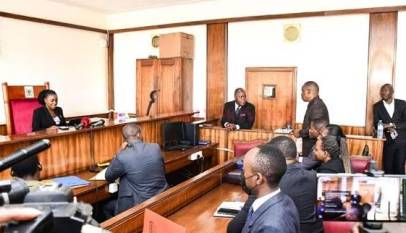
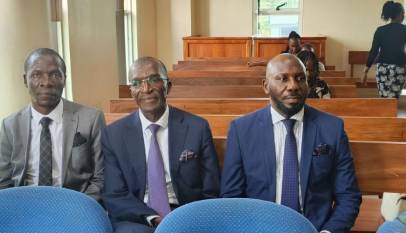
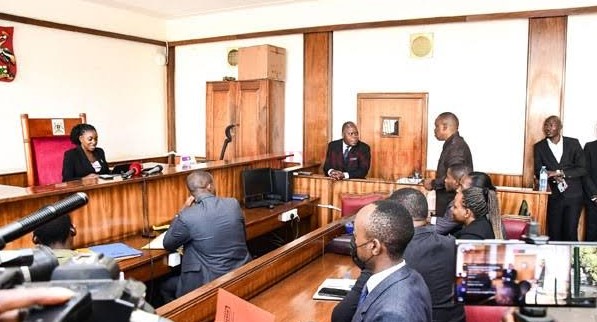
Nsubuga, a resident of Najjera in Kira Municipality, Wakiso District, appeared before Buganda Road Chief Magistrate’s Court on Tuesday, where Senior Magistrate Winnie Nankya Jatiko charged him with two offences under the Advocates Act. 

Prosecutors allege that between February and December 2025, Nsubuga unlawfully represented Nagadya Linda Witney in Civil Suit No. 188 of 2024 before the High Court Land Division in Kampala despite not being authorised to practise law in Uganda. 

They further accuse him of knowingly holding himself out as a qualified advocate when he was not legally recognised to offer legal services. Nsubuga denied both charges. 

The court remanded him to Luzira Prison until 19 August 2026 after his application for bail was not granted. 

However, the Uganda Law Society says the prosecution ignores the wider crisis affecting thousands of law graduates who have completed the required legal training but remain unable to enrol as advocates because of prolonged administrative delays at the Law Development Centre (LDC) and the Law Council. 

According to the Society, Nsubuga graduated from Nkumba University School of Law in February 2022 and obtained a Postgraduate Diploma in Legal Practice from the Law Development Centre in December 2024.

It says he has already been approved for admission, appearing as number 92 on the Law Council’s most recent list of applicants cleared for certificates of eligibility. 

The Society argues that Nsubuga is not a criminal but a young lawyer caught in a dysfunctional enrolment system that has delayed otherwise qualified graduates from formally joining the Bar.

“The profession views the continued criminalisation of young lawyers already victimised by the LDC monopoly and Law Council indifference as unnecessary, unjust and counterproductive,” Ssemakadde wrote.

ULS says the delays infringe Article 40(2) of the Constitution, which guarantees every person the right to practise their profession, and are inconsistent with international standards on the independence of the legal profession. 

The Society also cited the Judiciary Client Charter (2025), which commits the Judiciary to processing advocates’ licences within seven working days, but noted that the admission process in practice takes between three and four months. 

According to the letter, although the Law Council has intensified efforts since September 2024 to admit about 300 new advocates every quarter, more than 5,000 graduates from 20 accredited universities remain unable to complete enrolment because of bureaucratic delays at the LDC and JLOS House. 

ULS argues that Uganda already faces a shortage of legal practitioners and that prosecuting graduates awaiting enrolment only worsens access to legal services. 

The Society further contends that the case does not meet the public-interest test under the Office of the Director of Public Prosecutions’ Decision to Charge Guidelines and risks undermining ongoing efforts to reform the enrolment process. 

Ssemakadde called on the DPP to rescind the decision to prosecute Nsubuga and discontinue all charges under the Advocates Act, saying remanding a young human rights defender over an administrative problem beyond his control serves neither justice nor the public interest. 

The Office of the Director of Public Prosecutions had not publicly responded to the Law Society’s request by the time of publication.  

Check Also

EACOP Hits 91% Completion, Keeping Uganda on Course for First Oil

The construction of the 1,443-kilometre East African Crude Oil Pipeline (EACOP) has reache…