Parliament Orders Auditor General’s Staff to Record Statements Over ITMS Audit Delays
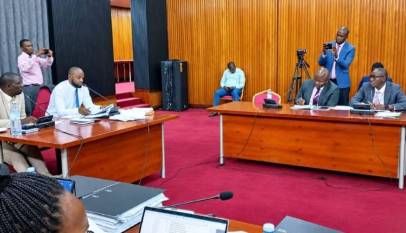
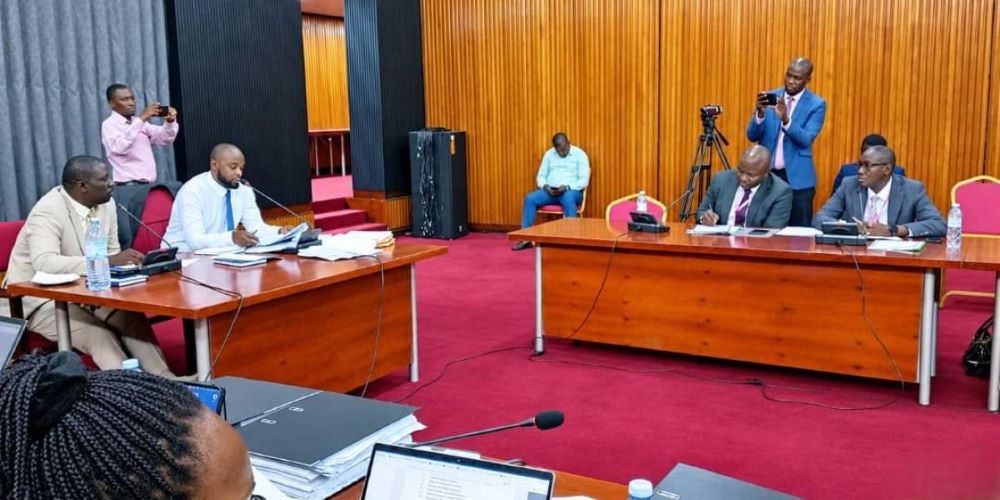
Parliament’s Committee on Physical Infrastructure has directed three officials from the Office of the Auditor General to record statements with police and remain in custody until Auditor General Edward Akol appears before the committee to explain delays in auditing the controversial Intelligent Transport Monitoring System (ITMS).
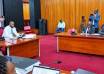
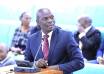
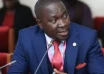
The officials are Anthony Kimuli, Martin Bamulumbye and Emmanuel Ebuchu, who appeared before the committee on Wednesday to explain the progress of the audit into the digital number plates project. The committee, chaired by Mwine Mpaka, also issued summons to Ministry of Finance officials for failing to appear for the fourth time as lawmakers intensified investigations into the project’s procurement, financing and implementation.
The decision followed a tense exchange between MPs and representatives of the Auditor General’s office over the delay in auditing a project that has been operational for several years and requires motorists to pay for digital number plates. The committee wants Akol to appear in person to explain why his office has not established the actual investment made by the project contractor, Joint Stock Company Global Security, a Russian firm implementing the system.
Presenting a statement signed by Akol, Bamulumbye told the committee that the Auditor General’s office had planned to audit the project during the 2025 audit year but encountered difficulties obtaining the necessary documentation. He said the office wrote to the Ministry of Works and Transport on June 19, 2025, requesting preliminary information and a date for an audit commencement meeting.
The ministry responded on July 10, 2025, indicating that the digital registration plates formed part of the broader ITMS project, which was being implemented and overseen by a multi-sectoral project management team under the Office of the President. According to the statement, the Auditor General subsequently engaged the Office of the President and was informed that the project was security-related, remained in the pilot phase, and had so far been fully financed by Global Security Limited.
The office said it intended to engage the presidency further to facilitate the audit. However, the explanation angered MPs, who questioned why the project had not been audited from its inception, given its financial implications for motorists and the country. The committee cited Section 29 of the Public-Private Partnerships Act, which provides for the auditing of public-private partnership projects from inception to completion. Lawmakers also referred to provisions in the project agreement requiring quarterly progressive audits to establish the contractor’s investment and determine the amount recoverable through fees and fines.
The officials maintained that the audit had not been completed because they were still gathering information and had only recently received the agreement. They told the committee that the project had been prioritised for the January 2027 audit cycle, after the office completes its current financial audit work. The response prompted further criticism from MPs, who questioned why the office had taken more than a year to follow up on information requested from the relevant government entities.
Lawmakers also challenged the explanation that the project was security-related, arguing that the classification should not automatically prevent an audit of public-private partnership arrangements with significant financial implications for citizens. The committee noted that motorists are required to pay about Shs714,300 for a new digital number plate, while the contractor is expected to recover its investment through fees and fines generated by the system.
MPs said they wanted the Auditor General to establish the contractor’s actual investment and determine the financial obligations that government and motorists would face over the contract period. The committee also questioned why a value-for-money audit had not been completed despite an earlier parliamentary resolution calling for one. In response, the Auditor General’s representatives maintained that their office had not abandoned the audit and was pursuing the required documentation.
The committee nevertheless insisted that Akol personally explain the delays, prompting the decision to have his representatives record statements with Criminal Investigations Directorate officers attached to Parliament. The committee also questioned the Ministry of Works and Transport’s internal auditors about their oversight of the project. Betty Nannyondo, the ministry’s Assistant Commissioner in charge of Internal Audit, told MPs that the Shs158 billion contract for the system had only recently been concluded and had been included in the current financial year’s procurement audit plan.
She said the audit had not yet been conducted. The latest action follows earlier arrests during the same inquiry. On October 5, Parliament’s CID arrested Office of the President official Nathan Negesa and Ministry of Finance official Moses Bekabye after MPs questioned their explanations regarding the Shs714,300 charge and alleged benchmarking trips used to determine the price of digital number plates. The committee continues to investigate the project amid concerns about its cost, procurement process, contractual arrangements, and performance.
Uganda’s Stable Financial Markets Drive Unit Trust Growth
Police Plan CCTV Expansion to Islands
Uganda’s Stable Financial Markets Drive Unit Trust Growth
Police Plan CCTV Expansion to Islands
Uganda’s Stable Financial Markets Drive Unit Trust Growth
Uganda’s stable financial markets have been credited for driving growth in the unit trust …

Now On Air – 88.2 Sanyu Fm
Get Hooked Right Here
DON'T MISS!!!
Uganda’s Stable Financial Markets Drive Unit Trust Growth
Uganda’s stable financial markets have been credited for driving growth in the unit trust sector, boosting investor confidence and encouraging more Ugandans to save through collective investment schemes.