Current Affairs -
Trending News -
3 hours ago
Civil Society Pushes for Debt Relief
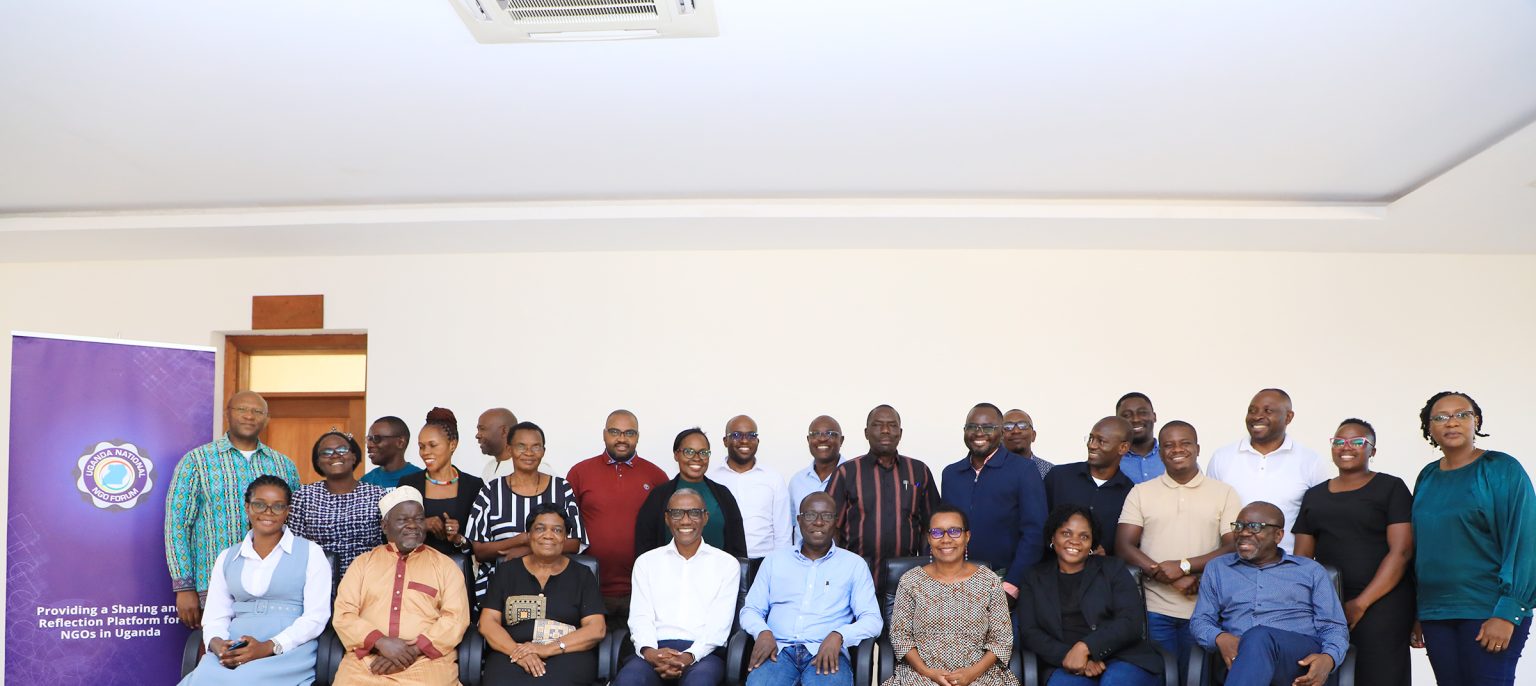
Civil society organisations across Africa are intensifying calls for debt relief for developing countries, arguing that it is increasingly unfair to expect them to service debt amid ongoing global economic shocks.
Analysts warn that many of these countries are being pushed deeper into debt crises as they struggle to balance repayment obligations with urgent domestic needs, including financing the Sustainable Development Goals (SDGs).
These concerns were prominent at the 2026 United Nations Economic and Social Council (ECOSOC) Forum on Financing for Development (FfD) Follow-up, held in New York. The forum reviews progress on the Addis Ababa Action Agenda and broader efforts to finance sustainable development.
The meeting also aimed to sustain momentum from the Fourth International Conference on Financing for Development (FFD4), held in Sevilla, Spain, in mid-2025. That conference produced the “Sevilla Commitment,” a global roadmap designed to address the estimated 4 trillion US dollar annual SDG financing gap through reforms in the international financial system, debt management, and private sector mobilisation.
However, the African Forum and Network on Debt and Development (AFRODAD) criticised the 2026 forum outcome for failing to acknowledge steps toward establishing a United Nations Framework Convention on Sovereign Debt.
Civil society groups and countries from the Global South are now pushing for a time-bound commitment to launch an intergovernmental process on debt reform in 2026, an agreement initially proposed by the African Group and the Alliance of Small Island States during the Sevilla conference.
A major concern raised at the forum was the role of the International Monetary Fund (IMF), particularly its austerity-driven loan conditions and the high cost of borrowing. AFRODAD argues that the current global financial system is outdated and inequitable.
“The IMF operates within a financial architecture that is fundamentally broken and no longer fit for purpose,” the organisation said, calling for a fairer, UN-led debt resolution framework. One of the key solutions proposed is debt suspension, allowing countries to temporarily halt repayments while dealing with crises such as economic shocks and climate disasters.
“It is unjust to expect countries to service debt under these conditions,” said Diana Mochoge, Policy Research and Advocacy Officer on Domestic Resource Mobilisation.
The forum also highlighted the need to strengthen domestic resource mobilisation, though with an emphasis on progressive taxation that does not disproportionately burden vulnerable populations.
While some countries advocated for increased private sector financing, civil society groups cautioned that private investment cannot replace the fundamental responsibilities of governments. At the same time, many developing countries are struggling with shrinking fiscal space and declining Official Development Assistance (ODA), forcing them into what experts describe as a “borrowing spiral.”
Concerns were also raised about global credit rating systems, which many African nations say unfairly downgrade their economies, limiting access to affordable financing. This has renewed calls for reforms and support for an African Credit Rating Agency that would better reflect regional economic realities.
According to analysts, African countries often pay significantly higher borrowing costs than developed nations, largely due to systemic imbalances in global financial governance.
“There is a stark disparity, with African countries paying up to eight times more in borrowing costs,” Mochoge noted, attributing this to a lack of inclusive decision-making in global financial institutions.
To address these challenges, experts are calling for economic diversification, noting that many developing countries rely heavily on a narrow range of exports, limiting their ability to generate sufficient revenue. They also stress the need to invest in local industries and improve access to affordable liquidity, which remains far more accessible in developed economies.
Global conflicts and shifting priorities have further worsened the situation, with some development aid being redirected toward military spending instead of social services. This has had significant social impacts, particularly on women, who are overrepresented in the informal sector and are more vulnerable to economic shocks.
In response, feminist groups within the FfD process are advocating for reforms that prioritise universal access to essential public services such as health, education, water, energy, and technology.
Civil society organisations are also calling for stronger measures to combat tax abuse, illicit financial flows, and profit shifting by multinational corporations, which continue to drain domestic resources.
“As nations negotiate a UN Tax Convention, tax policy must be treated as a public good rooted in human rights,” Mochoge said, emphasising the need for fair and inclusive tax systems.
Ultimately, stakeholders agree that meaningful reform of the global financial architecture is critical to achieving sustainable development and ensuring that developing countries are not trapped in cycles of debt.
Analysts warn that many of these countries are being pushed deeper into debt crises as they struggle to balance repayment obligations with urgent domestic needs, including financing the Sustainable Development Goals (SDGs).
These concerns were prominent at the 2026 United Nations Economic and Social Council (ECOSOC) Forum on Financing for Development (FfD) Follow-up, held in New York. The forum reviews progress on the Addis Ababa Action Agenda and broader efforts to finance sustainable development.
The meeting also aimed to sustain momentum from the Fourth International Conference on Financing for Development (FFD4), held in Sevilla, Spain, in mid-2025. That conference produced the “Sevilla Commitment,” a global roadmap designed to address the estimated 4 trillion US dollar annual SDG financing gap through reforms in the international financial system, debt management, and private sector mobilisation.
However, the African Forum and Network on Debt and Development (AFRODAD) criticised the 2026 forum outcome for failing to acknowledge steps toward establishing a United Nations Framework Convention on Sovereign Debt.
Civil society groups and countries from the Global South are now pushing for a time-bound commitment to launch an intergovernmental process on debt reform in 2026, an agreement initially proposed by the African Group and the Alliance of Small Island States during the Sevilla conference.
A major concern raised at the forum was the role of the International Monetary Fund (IMF), particularly its austerity-driven loan conditions and the high cost of borrowing. AFRODAD argues that the current global financial system is outdated and inequitable.
“The IMF operates within a financial architecture that is fundamentally broken and no longer fit for purpose,” the organisation said, calling for a fairer, UN-led debt resolution framework. One of the key solutions proposed is debt suspension, allowing countries to temporarily halt repayments while dealing with crises such as economic shocks and climate disasters.
“It is unjust to expect countries to service debt under these conditions,” said Diana Mochoge, Policy Research and Advocacy Officer on Domestic Resource Mobilisation.
The forum also highlighted the need to strengthen domestic resource mobilisation, though with an emphasis on progressive taxation that does not disproportionately burden vulnerable populations.
While some countries advocated for increased private sector financing, civil society groups cautioned that private investment cannot replace the fundamental responsibilities of governments. At the same time, many developing countries are struggling with shrinking fiscal space and declining Official Development Assistance (ODA), forcing them into what experts describe as a “borrowing spiral.”
Concerns were also raised about global credit rating systems, which many African nations say unfairly downgrade their economies, limiting access to affordable financing. This has renewed calls for reforms and support for an African Credit Rating Agency that would better reflect regional economic realities.
According to analysts, African countries often pay significantly higher borrowing costs than developed nations, largely due to systemic imbalances in global financial governance.
“There is a stark disparity, with African countries paying up to eight times more in borrowing costs,” Mochoge noted, attributing this to a lack of inclusive decision-making in global financial institutions.
To address these challenges, experts are calling for economic diversification, noting that many developing countries rely heavily on a narrow range of exports, limiting their ability to generate sufficient revenue. They also stress the need to invest in local industries and improve access to affordable liquidity, which remains far more accessible in developed economies.
Global conflicts and shifting priorities have further worsened the situation, with some development aid being redirected toward military spending instead of social services. This has had significant social impacts, particularly on women, who are overrepresented in the informal sector and are more vulnerable to economic shocks.
In response, feminist groups within the FfD process are advocating for reforms that prioritise universal access to essential public services such as health, education, water, energy, and technology.
Civil society organisations are also calling for stronger measures to combat tax abuse, illicit financial flows, and profit shifting by multinational corporations, which continue to drain domestic resources.
“As nations negotiate a UN Tax Convention, tax policy must be treated as a public good rooted in human rights,” Mochoge said, emphasising the need for fair and inclusive tax systems.
Ultimately, stakeholders agree that meaningful reform of the global financial architecture is critical to achieving sustainable development and ensuring that developing countries are not trapped in cycles of debt.
URN

3 hours ago
0 40,219
Civil Society Pushes for Debt Relief
4 hours ago
0 40,183
Gov’t Unveils New Petroleum Policy
7 hours ago
0 40,154
Three Charcoal Burners Killed by Floods in Rukungiri
3 hours ago
0 40,219
Civil Society Pushes for Debt Relief
4 hours ago
0 40,183
Gov’t Unveils New Petroleum Policy
12 hours ago
0 40,096
Police Probe Entebbe School After P.6 Pupil’s Disappearance
Gov’t Unveils New Petroleum Policy
The Ministry of Energy has launched the National Petroleum Policy 2025, aimed at regulatin…
Now On Air – 88.2 Sanyu Fm
Get Hooked Right Here
DON'T MISS!!!
Civil Society Pushes for Debt Relief
Civil society organisations across Africa are intensifying calls for debt relief for developing countries, arguing that it is increasingly unfair to expect them to service debt amid ongoing global economic shocks.