Electronic Attendance System Puts MPs on Notice Over Risk of Losing Seats
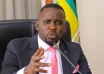
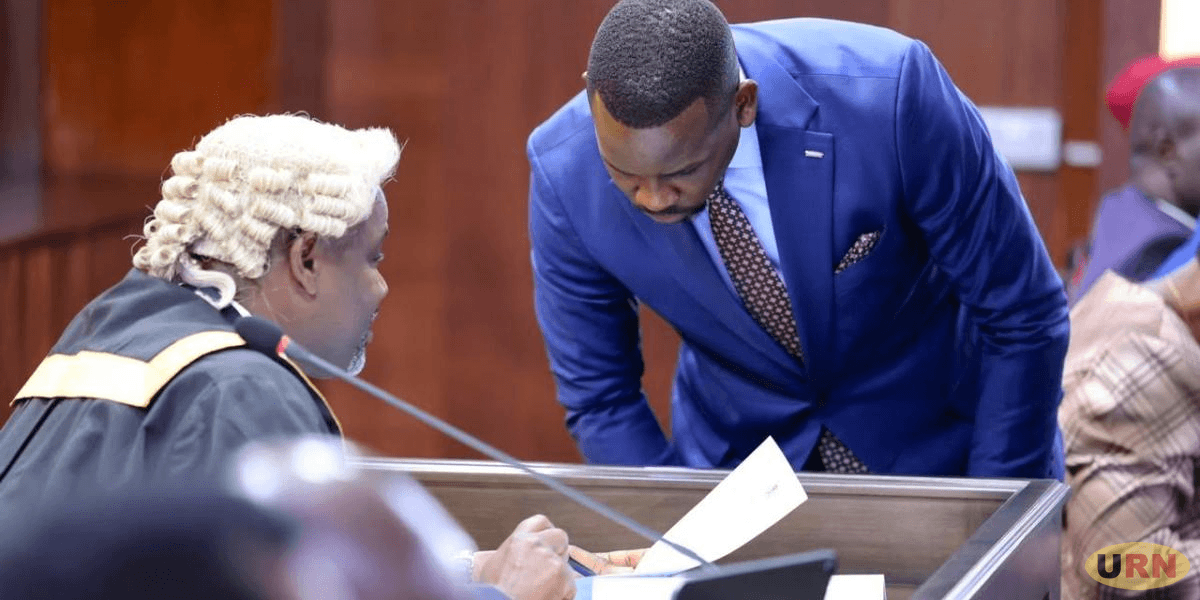
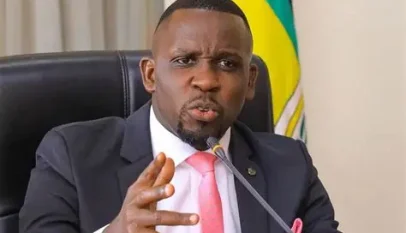
Thomas Tayebwa, the Deputy Speaker of Parliament has issued a stern warning to legislators against absenteeism following the rollout of an electronic attendance system designed to accurately monitor attendance during plenary.
Addressing MPs at the start of a parliamentary session, Tayebwa announced that the biometric clock-in system is now fully operational and urged legislators to register their attendance immediately upon entering the Chamber.
“Honourable colleagues, our system for clocking in is working. We are now taking cognisance of your presence in the House. So please don’t enter the House without registering,” the Deputy Speaker said.
The warning comes amid growing public scrutiny over MPs’ attendance and participation in parliamentary business, with concerns that absenteeism has in the past affected quorum and delayed the consideration of key business.
Tayebwa reminded legislators that under Article 83(1)(d) of the Constitution and Parliament’s Rules of Procedure, an MP who misses 15 consecutive sittings of Parliament without written permission from the Speaker, and fails to provide a satisfactory explanation to the relevant committee, risks losing his or her parliamentary seat.
“You know the repercussions of missing the House for 15 times without the permission of the presiding officer. If you miss the House 15 times, you risk losing your seat,” the Deputy Speaker cautioned.
The constitutional provision has been enforced before. In 2014, Bubulo West MP Tony Nsubuga Kipoi became one of the few legislators to lose his parliamentary seat after Parliament adopted a report by the Committee on Rules, Privileges and Discipline, which found that he had missed more than 15 consecutive sittings without permission.
Kipoi had attended only a handful of sittings before disappearing from Parliament, prompting the House to declare his seat vacant and pave the way for a by-election.
Another notable case involved former Army representative Gen. David Sejusa, who also lost his parliamentary seat during the Ninth Parliament after prolonged absence from House sittings while in exile.
Although several other MPs have previously been referred to the Rules Committee over absenteeism, including former Mityana South MP Kaddu Mukasa and former Kyadondo South MP Issa Kikungwe, they retained their seats after the disciplinary process.
The introduction of the electronic attendance system is expected to strengthen accountability by providing an accurate and tamper-proof record of MPs present during proceedings. The system forms part of broader reforms aimed at improving transparency and enforcing attendance requirements.
Recognising that some legislators may be unable to attend physically, the Deputy Speaker noted that Parliament’s Rules of Procedure permit virtual participation, provided members comply with established procedures.
“Those who are not able to come here physically, our rules provide for virtual attendance of the House. Once you attend virtually, we record it in the recordings of Parliament,” the Deputy Speaker explained.
However, members participating remotely were reminded that the same standards governing physical attendance apply to virtual sessions. Parliament sends secure daily login credentials to authorised members to prevent unauthorised individuals from accessing proceedings.
The Deputy Speaker also outlined strict guidelines for virtual participation, requiring MPs to dress formally, maintain a stable internet connection and participate from a private location free from interruptions.
“I don’t want you to attend the session when you’re digging or you’re in a car travelling. Ensure you have a stable internet connection and you’re in a room where you are only and only you because we don’t want strangers to tag on and attend the House,” the Deputy Speaker said.
The guidance also seeks to protect the integrity and confidentiality of parliamentary proceedings by ensuring that only authorised legislators participate in debates and decision-making.
Despite the availability of virtual attendance, the Deputy Speaker encouraged MPs to prioritise physical attendance whenever possible, stressing that in-person participation remains the preferred mode of conducting parliamentary business.
The electronic attendance system was first announced during the orientation of the 12th Parliament in May, when the Clerk to Parliament, Adolf Mwesige, warned newly elected legislators that absenteeism could cost them their seats.
The latest directive signals Parliament’s intention to strictly enforce the constitutional attendance requirements as it seeks to improve discipline, accountability and public confidence in the legislature.
Senior 4 student at Naalya SS Committee Suicide in Toilet
Gen. Muhoozi asks USA to Reconsider Travel Advisories
South Sudan Resumes Oil-Backed Financing
Senior 4 student at Naalya SS Committee Suicide in Toilet
Gen. Muhoozi asks USA to Reconsider Travel Advisories
South Sudan Resumes Oil-Backed Financing
Senior 4 student at Naalya SS Committee Suicide in Toilet
A senior four student of Naalya Senior Secondary School, Bweyogerere campus, has died in a…
Now On Air – 88.2 Sanyu Fm
Get Hooked Right Here
DON'T MISS!!!
Electronic Attendance System Puts MPs on Notice Over Risk of Losing Seats
Thomas Tayebwa, the Deputy Speaker of Parliament has issued a stern warning to legislators against absenteeism following the rollout of an electronic attendance system designed to accurately monitor attendance during plenary.