Industry experts have urged the financial technology (FinTech) sector to embrace
interoperable systems, shared digital infrastructure and data sharing technical standards if the industry is
to move beyond fragmented solutions and expand access to digital financial services.
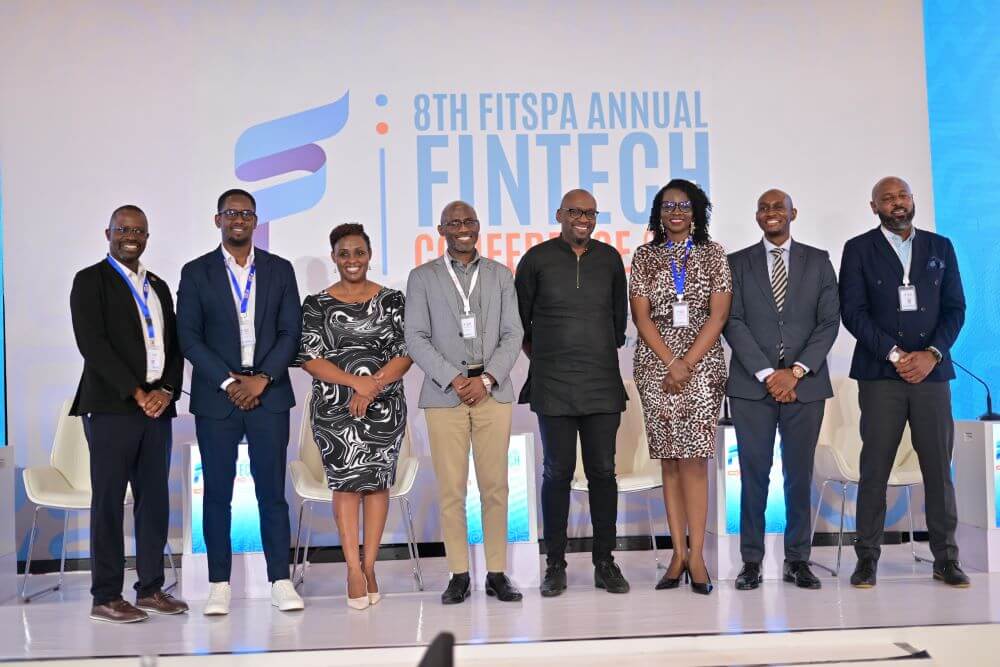
The call was made during the 8th FITSPA Annual Fintech Conference at the Sheraton Kampala Hotel,
where fintech companies, regulators, financial institutions, investors and technology providers met to
discuss how Uganda can build a more connected and resilient digital economy.
Held under the theme, “Scaling Fintech Innovation for Inclusive Growth and a Resilient Digital Economy,”
the conference focused on what is required to help fintech businesses move from developing individual
products to building solutions that can operate at scale across the financial ecosystem.
Diana Akullu Wanyama, the Acting Digital Economy Lead at Financial Sector Deepening Uganda, said
digital infrastructure would be critical to achieving Uganda’s economic ambitions. “Digital financial
infrastructure is foundational. It is the technology and framework that allow interconnectivity and are key
drivers of the Tenfold Growth Strategy,” she said.
The government’s Tenfold Growth Strategy seeks to expand Uganda’s economy from nearly $50 billion in
2023 to $500 billion by 2040, with technological advancement, private-sector investment and
entrepreneurship identified as catalysts for driving agro-industrialisation, tourism development, minerals
(especially oil and gas), and science, technology and innovation.
Ms Akullu said Uganda did not need to build new infrastructure for every financial service, but should
instead make better use of existing systems and develop governance frameworks that allow different
players to connect. “We do not have to reinvent the wheel. We need to leverage the infrastructure that
already exists and put in place the appropriate governance structures to ensure that it works effectively
for all participants,” she said.
According to the FinScope Uganda 2023 Survey, the proportion of adults using mobile money rose from
56 per cent in 2018 to 64 per cent in 2023. However, only about two in every 10 adults had ever saved
electronically, highlighting the gap between access to digital financial services and their deeper use.
It was therefore agreed that the next phase of scale should focus not only on bringing more people onto
digital platforms, but also on making the services affordable, reliable, trusted and useful to consumers
and businesses.
Vincent Tumwijukye, Chairperson of the FITSPA Board, said Uganda’s fintech industry had demonstrated
its capacity to innovate but needed a stronger ecosystem to help businesses connect with customers,
access finance and expand. “Uganda’s fintech ecosystem has demonstrated that it can innovate. The
next phase is to make the market easier to enter, connect and finance,” Tumwijukye said.
He said this would require shared infrastructure, proportionate regulation, specialized talent and patient
capital capable of supporting businesses through the early and growth stages.
Mr Tumwijukye identified talent development, access to high-risk capital and improved understanding of
fintech among the media as areas requiring greater attention. He said universities and training institutions
needed to keep their curricula aligned with the changing requirements of the technology and financial-
services industries. He also called for stronger collaboration between government, industry and capital-
market players to create an environment that attracts investment into early-stage and growth-oriented
enterprises.
Delivering the keynote address, Ken Njoroge, a technology entrepreneur, investor and founder of PANI
said African businesses should focus less on pursuing scale as an end in itself and more on solving
problems that create lasting value. “Scale is not the starting point; it is the result of building businesses
that create value, solve real problems and are sustainable to stand the test of time,” Njoroge said.
Drawing from his experience building Cellulant across several African markets, Njoroge said
entrepreneurs needed to remain close to their customers and respond to changes in the markets in which
they operate. “For me, building for scale also means caring for people working for me, leaving behind
value, building the infrastructure that businesses need to grow and maintaining a high standard of
execution,” he said.
Njoroge also challenged the view that Africa's biggest constraint was a shortage of capital, arguing
instead that the continent needed to improve how capital was directed towards businesses with growth
potential. “Africa does not have a capital problem; it has a capital-allocation problem,” he said. He urged
governments, investors and industry organisations to direct more long-term capital towards entrepreneurs
and businesses building infrastructure and solutions that can serve markets beyond their countries of
origin.
The conference further pointed to a shift in priorities for Uganda’s fintech sector from developing more
standalone digital products to strengthening the systems that allow those products to work together.
Participants said common standards, interoperable infrastructure, supportive regulation, skilled talent and
appropriate capital would be essential if Uganda is to translate fintech innovation into wider economic
participation and sustainable growth.
The discussions identified interoperable payment systems, common technical standards, data-switching
capabilities and a well-governed national switch as some of the infrastructure needed to unlock the next
phase of digital financial services. Participants also called for greater use of regulatory sandboxes to
allow fintech companies to test new products while regulators assess emerging technologies and
associated risks before they reach the wider market.
However, experts cautioned that interoperability alone would not be sufficient. They said shared
infrastructure would require clear governance, strong cybersecurity controls and pricing models that do
not lock smaller fintech companies out of the market. The push for deeper interoperability comes as
Uganda continues to expand access to digital financial services.