Parliament has passed the Protection of Sovereignty Bill, 2026.
The bill passed after the opposition members of parliament failed in their effort to convince other members of parliament, especially from the ruling NRM party, to reject it.
Key amendments in the passed bill now narrow the law to “agents of foreigners,” excluding Ugandans living abroad from the definition of foreigners.
An agent of a foreigner is now defined as a person acting for, under the direction of, or financed by a foreigner while engaging in activities to promote foreign interests or engage in political activities.
The new law, however, retains a broad definition of “political activities,” and these include actions aimed at influencing legislation, policy, government decision making, elections, who governs Uganda, and ideologies seen as inconsistent with the Constitution or cultural norms
The new law provides that an agent of a foreigner who obtains or receives directly or indirectly funds, financial support, donations or loans exceeding 400 million from a foreigner without declaring funds in accordance with the bill commits an offense.
Those convicted face 10 years in jail or a fine of 2 billion shillings or both.
The offence of economic sabotage was redrafted to target agents of foreigners who knowingly publish false information or engage in acts intended to damage Uganda’s economic system.
The committee said vague offences risked a “chilling effect,” where “advocacy, research, journalism, or business operations may be discouraged.”
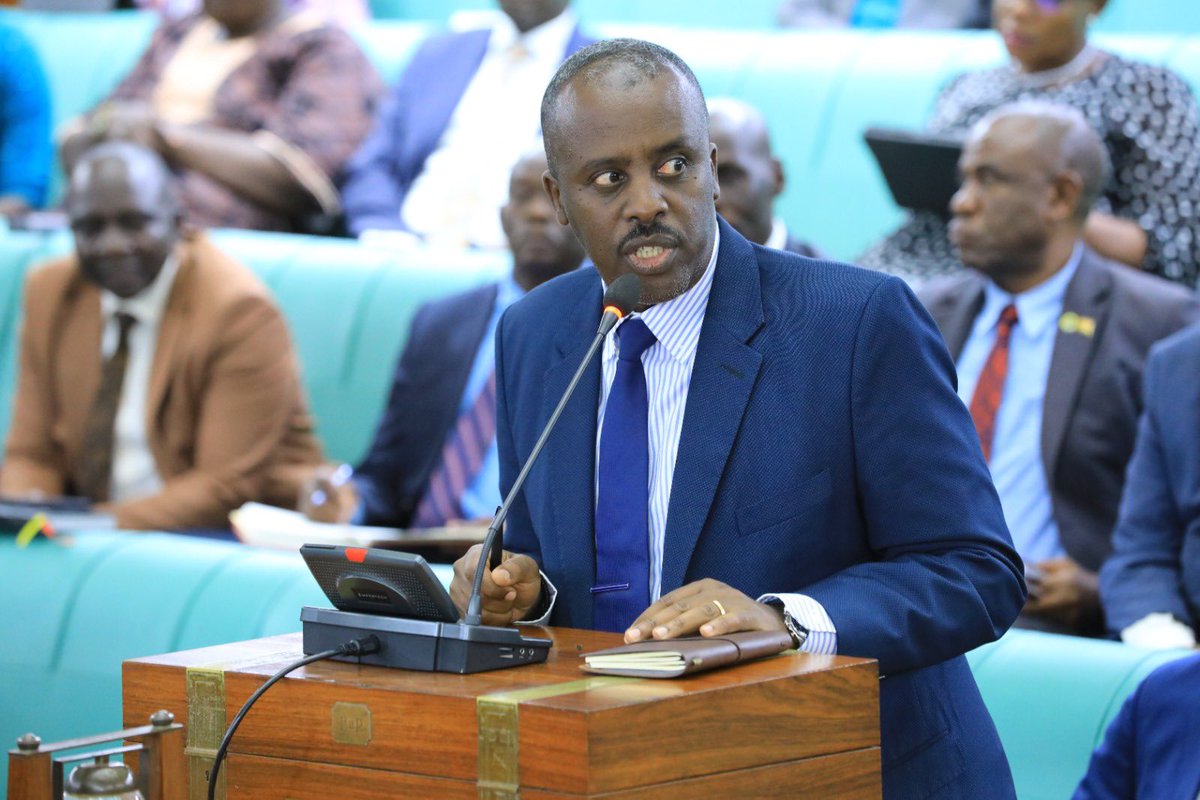
The passage of the Bill now shifts the debate from Parliament to a broader constitutional and political arena, raising questions about legislative integrity, executive influence, and the limits of state power in safeguarding sovereignty. Introduced by the government through Attorney General Kiryowa Kiwanuka on April 15, 2026, the Bill sailed through largely on the strength of the ruling National Resistance Movement (NRM)’s numerical dominance.
Government legislators defended the Bill as a necessary legal instrument to shield Uganda from what they described as growing foreign interference in domestic political, civic, and economic processes.
During the debate, Kiwanuka argued that “sovereignty is not an abstract concept; it must be actively protected in a global environment where foreign actors can shape internal political outcomes through funding and influence.” However, opposition lawmakers, led by Nakawa West MP Joel Ssenyonyi, warned that the law risks entrenching state overreach under the pretext of national protection.
“This Bill opens the door to criminalising legitimate civic engagement and dissent,” Ssenyonyi argued on the floor, cautioning that its broad provisions could be used to target civil society organisations, media actors, and political opponents.
At the centre of the controversy are clauses critics describe as overly broad and susceptible to abuse. The Bill introduces sweeping definitions of “foreign interference,” potentially capturing funding, partnerships, or advocacy linked to international entities without clear thresholds