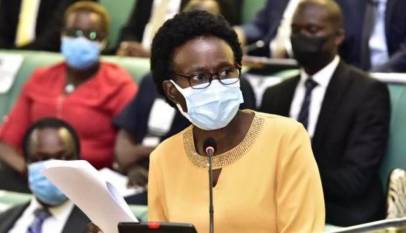
Despite posting strong revenue growth, the Uganda Revenue Authority (URA) is facing scrutiny from MPs over its continued spending on rent years after constructing its Nakawa headquarters. The concerns emerged on March 25, 2026, during a heated session of Parliament’s Committee on Finance, Planning, and Economic Development, chaired by Amos Kankunda, as URA officials presented their Ministerial Policy Statement for the 2026/27 financial year.
URA reported a surplus performance, collecting UGX31.643 trillion against a target of UGX31.369 trillion, translating into a 100.84 percent achievement and a surplus of UGX264.87 billion. This represents a 15.87 percent growth compared to the previous financial year. Domestic taxes contributed UGX21.252 trillion, while international trade taxes brought in UGX11.105 trillion, both registering growth above 15 percent.
However, MPs warned that headline growth masks deeper structural weaknesses, particularly Uganda’s low tax-to-GDP ratio, which remains between 13 and 15 percent, below the Sub-Saharan Africa average of 16–18 percent. “You report a widening tax base, yet public dissatisfaction is growing. Are these registered taxpayers actually contributing?” asked Keefa Kiwanuka.
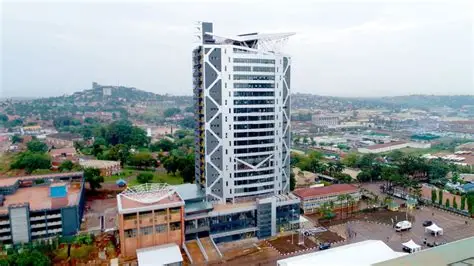
A major flashpoint was URA’s continued expenditure on rent, including plans to spend about UGX18 billion annually on office space at Pearl Tower, despite owning the URA Tower in Nakawa. Mukono Woman MP Hanifah Nabukeera questioned the logic of renting expensive office space while owning a purpose-built headquarters.
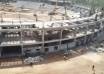
Lawmakers noted that the government invested nearly UGX140–180 billion to construct the 22-storey URA Tower, commissioned in 2019 by Yoweri Museveni, specifically to consolidate offices and cut rental costs. Kira Municipality MP Ibrahim Ssemujju Nganda was blunt: “We thought the Nakawa tower would end rent. Instead, URA is among the first to occupy new private buildings. Are you a conduit for landlords?”URA officials defended the decision, citing space limitations at the Nakawa headquarters. Commissioner for Customs Abel Kagumire said the building can accommodate fewer than 2,000 staff, yet URA’s workforce stands at about 4,942 employees, forcing the agency to seek additional office space.
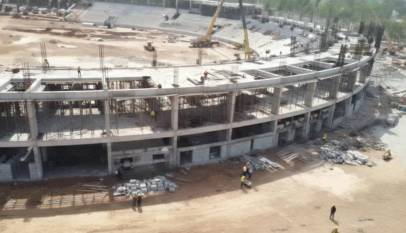
Before 2015, URA operated from multiple rented offices across Kampala, spending millions of dollars annually on rent and operational costs. The construction of the Nakawa headquarters was intended to consolidate operations, reduce recurrent expenditure, and improve efficiency. Seven years after its commissioning, Parliament is now questioning whether those objectives are being fully realised.
Beyond rent, MPs scrutinised several high-expenditure items in URA’s budget proposals: UGX23 billion for welfare and entertainment, UGX13.5 billion for workshops and seminars, UGX18 billion for staff training, and UGX69 billion for ICT (split between supply and services). Ssemujju described the spending pattern as excessive: “You spend billions on training, workshops, and entertainment. Who exactly benefits from this?” MPs also demanded clarity on medical expenditures and ICT allocations, which have previously attracted audit queries.
Legislators expressed concern that domestic taxes are growing more slowly than international trade taxes, despite government investments in wealth creation programmes such as the Parish Development Model (PDM), Emyooga, Youth Livelihood Programme, and Operation Wealth Creation.
Sheema Municipality MP Dicksons Kateshumbwa warned that Quarter II growth of about 8 percent is below expectations: “With trillions invested in household income programmes, consumption, and therefore VAT, should be rising. What explains the slowdown?” He also pointed to declining PAYE filing ratios, suggesting compliance gaps in the formal sector.
Tororo North MP Geoffrey Ekanya linked weak revenue performance to structural inefficiencies: “You cannot separate revenue from infrastructure. Traffic congestion and border delays reduce productivity and ultimately tax collections.” MPs also queried the absence of external financing to URA, questioning whether development partners have scaled back support.
URA’s budget is projected to drop from UGX901.184 billion in FY2025/26 to UGX877.396 billion in FY2026/27, with UGX400.258 billion for wages, UGX412.350 billion for non-wage expenditure, and UGX64.788 billion for capital development. The Authority is targeting UGX41.513 trillion in revenue in the next financial year, in line with the government’s fiscal strategy. URA operates under the Uganda Revenue Authority Act, and its mandate is central to financing priorities under the National Development Plan (NDP IV) and the Domestic Revenue Mobilisation Strategy (DRMS), which aims to raise Uganda’s tax effort over the medium term.