For over a decade, Uganda was hailed as a success story in the fight against malaria. Between 2009 and 2019, parasite prevalence in children under five fell from 45% to just 9%. But recent data signals a worrying reversal.
The 2024 Malaria Indicator Survey shows prevalence has climbed back to 12.5%, with some regions reporting even higher spikes.
The resurgence, driven in part by the 2021–2023 epidemic, added more than 3.3 million cases, demonstrating how fragile progress can be without total elimination.
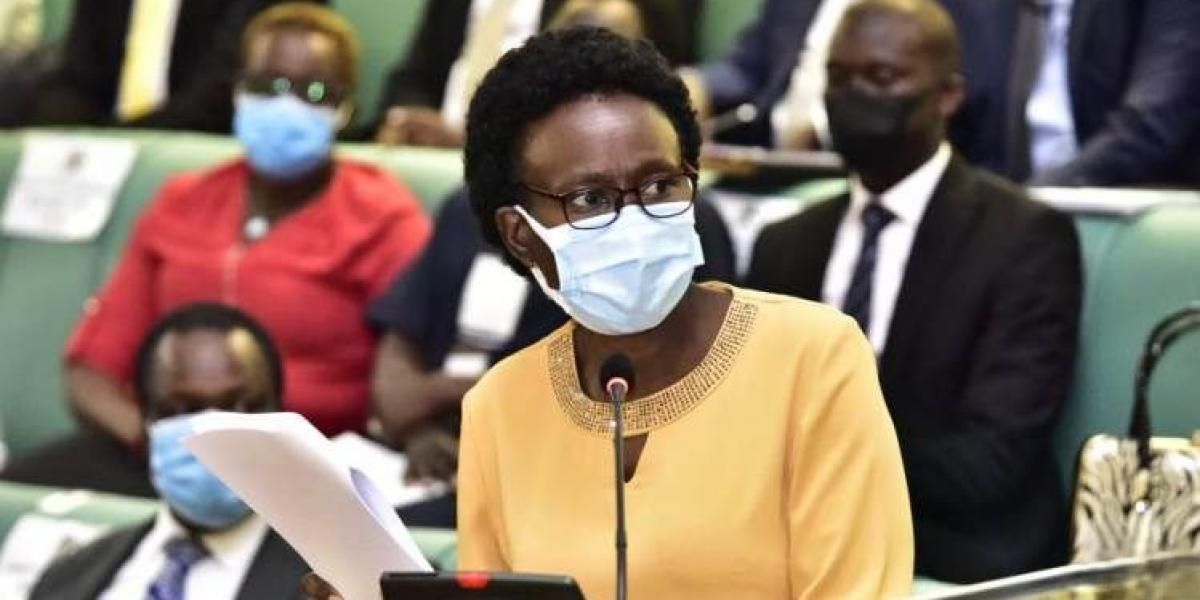
“This is a stark reminder that malaria remains Uganda’s leading public health threat,” said Dr. Jane Ruth Aceng, Minister of Health.
“It accounts for 30% to 50% of outpatient visits and over 20% of hospital admissions, imposing a heavy toll on families and the health system alike.” Beyond its clinical impact, malaria is a fiscal burden.
The government estimates the disease costs the nation more than USD 577 million (about UGX 2.1 trillion) annually in treatment expenses and lost productivity—resources that could otherwise support education, manufacturing, and infrastructure development. In response, Uganda has launched an ambitious plan to eliminate malaria by 2030.
The strategy, known as the “Big Push,” is led by the Roll Back Malaria Partnership to End Malaria (RBM) and aims to transform malaria control from a vertical health program into a national development priority. Key goals include zero malaria deaths, a 75% reduction in incidence, and moving at least 19 districts into a pre-elimination stage.
In April 2025, Uganda rolled out the world’s largest malaria vaccination program, administering the R21/Matrix-M vaccine to 1.1 million children across 105 districts in its first year, aiming to prevent 800 severe cases each day.
“We did not wait. We prepared, we mobilized, and we acted,” Dr. Aceng said. “A vaccine in storage does not prevent disease.”
Uganda is also integrating new tools such as dual-active ingredient nets and next-generation diagnostics, alongside indoor residual spraying, larviciding, and a “test, treat, and track” model.
As a signatory to the Yaoundé Declaration, the country positions itself as a “pathfinder,” narrowing the gap between global tool approval and local access through high-level political leadership under the Mass Action Against Malaria initiative.
While the 2030 deadline is ambitious, Dr. Aceng remains cautiously optimistic. “If we have adequate funding and fully implement these tools, we could reduce prevalence below our previous record of 9%,” she said.
Experts caution, however, that success will depend not only on government action but also on community engagement, sufficient funding, and ongoing monitoring. “Elimination is possible, but only if interventions are sustained and adapted to local realities,” says Dr. Sarah Nakanwagi, a malaria researcher at Makerere University.
For families like the Nsibambi household in Eastern Uganda, malaria remains a daily threat. “Last year, my youngest spent three weeks in the hospital,” says mother Grace Nsibambi.
“Even with nets and medicine, the disease keeps coming back.” Stories like hers underscore that behind national statistics lie millions of children and families whose lives are disrupted by each new outbreak.
Uganda’s renewed fight against malaria is now a test of political will, scientific innovation, and community resilience.
With targeted interventions and sustained funding, the country hopes to reclaim its place as a global leader in malaria elimination.