Katumba, Otafiire Disagree Over ITMS Tracking System
Home Trending News Current Affairs Katumba, Otafiire Disagree Over ITMS Tracking System

Katumba, Otafiire Disagree Over ITMS Tracking System

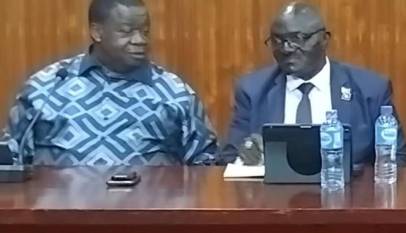
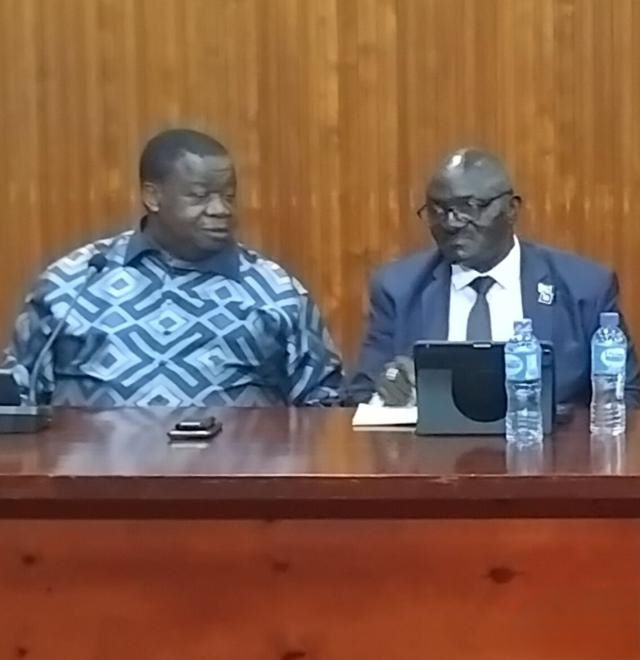
Ministers Gen. Katumba Wamala and Kahinda Otafiire have given contrasting accounts of the functionality of the Intelligent Transport Monitoring System (ITMS) under the controversial numberplate deal.

Retired Major General Kahinda Otafiire, who previously served as Internal Affairs Minister, questioned the effectiveness of the system in tracking vehicles, while Katumba, who served as Minister of Works, defended the project as a security intervention.

The two ministers appeared before Parliament’s Physical Infrastructure Committee, which has been investigating the controversial digital number plates project for nearly two months.  

While Katumba Wamala said the system was conceived to strengthen crime detection through integrated vehicle monitoring, Otafiire told MPs that tests he witnessed raised doubts about whether the technology could reliably identify the location of vehicles after their number plates were removed.

The contrasting testimonies have renewed questions about whether the system delivers the security capabilities government promised when it contracted Russian firm Joint Stock Company Global Security to implement the project.  

Otafiire, now Minister of Water and Environment, said the technology installed under ITMS appeared to function more like a fleet management system than the sophisticated security platform that had been presented to government.

He told MPs that police had indicated that the system’s capabilities were inferior to those of technology already available to commercial transport operators.  

// cue in “Since the agreements…

Cue out…since I left.”//  

He further claimed that the system could locate a vehicle but could not reliably establish its movement when the number plates were detached.

Otafiire said his reservations began before implementation, when he questioned whether the proposed Russian technology would be compatible with Uganda’s existing CCTV surveillance infrastructure, which he said relied on Chinese technology.

He also questioned the procurement process, arguing that police, the intended user of the system, had not been adequately involved in negotiations with the contractor.

According to Otafiire, police officers who participated in a due diligence visit told him they had not taken part in the negotiations. He said he also sought opinions from researchers, police officers and contacts in Kenya, but remained unconvinced that the proposed system would work as intended.

Despite his reservations, Otafiire said implementation proceeded after he came under pressure to allow the project to move forward.  

Katumba, who is now Minister of Public Service, offered a different perspective, tracing ITMS to government efforts to address rising insecurity and improve the investigation of crimes involving vehicles and motorcycles.

He told the committee that President Yoweri Museveni had directed government to adopt technology capable of tracking vehicles and supporting police investigations, while discouraging government agencies from developing separate systems.

// cue in “The whole project…  

Cue out…on the security.”//  

He explained that the initiative brought together several government agencies, including police, the Uganda People’s Defence Forces, the Ministry of Finance and the Solicitor General.

Katumba also said the original plan envisaged technology transfer to Uganda, with the National Enterprise Corporation eventually taking over aspects of the project, including number plate production.  

The two former ministers’ accounts, however, differed on the central question of whether the technology could deliver the expected security benefits.  

Check Also

Uganda Commits To Transparency In Oil Revenues

The government reiterated its commitment to ensuring transparency and accountability in ma…