Underfunding Threatens Uganda’s Education Gains, UNESCO Warns
Home Health Underfunding Threatens Uganda’s Education Gains, UNESCO Warns
Health - Trending News - 3 hours ago

Underfunding Threatens Uganda’s Education Gains, UNESCO Warns

A new UNESCO Global Education Monitoring Report highlights chronic underfunding as one of the biggest barriers to education in Uganda.

It warns that low public spending continues to undermine learning outcomes and fuel alarmingly high dropout rates across the country. 

Uganda has, over the years, emerged as one of Africa’s earliest champions of the Education for All movement. However, the promise of quality, accessible education for every child remains an ambition far from reality.

Released this week, the report paints a stern picture of a system that expanded access dramatically through the introduction of Universal Primary Education (UPE) in the late 1990s, only to see progress stagnate and, in some areas, reverse.

While enrolment surged in the early years of UPE, the quality of education has suffered as government investment failed to keep pace with growing needs.

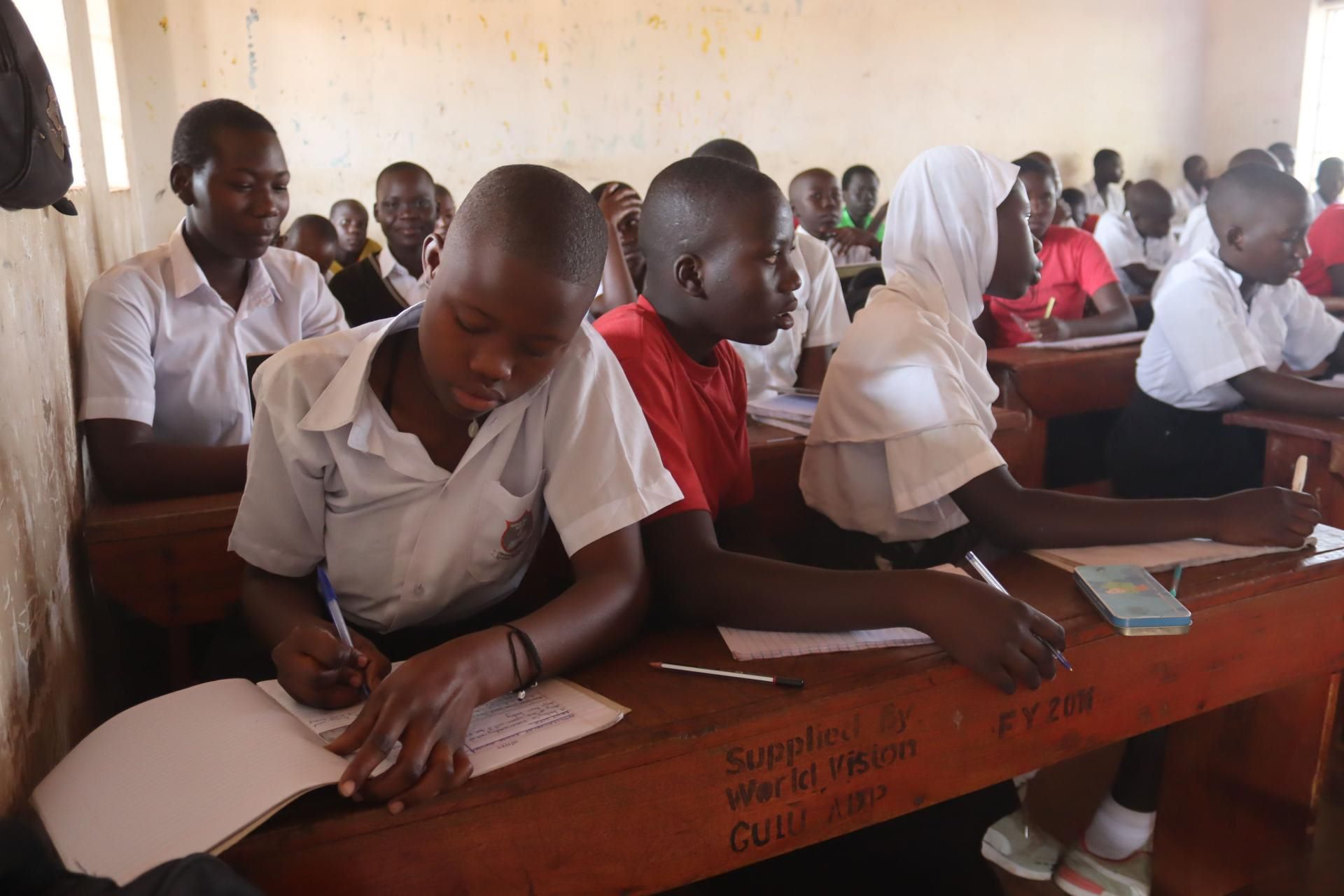
It added that low spending has led to poor infrastructure, inadequate teaching materials, and overburdened schools, all factors well-documented as driving children out of the classroom.

These concerns have sparked ongoing national debate, with calls for increased investment echoed by parents, teachers, policymakers, and development partners for years.

Ireland’s Ambassador to Uganda, Mags Gaynor, last week reiterated the urgency during the “Teachers Making a Difference” awards ceremony at State House, Entebbe. While praising outstanding educators, she joined the chorus urging greater public spending to support quality teaching and learning across the sector.


Education expert Gonzaga Kaswarra says underfunding drives many challenges in Uganda’s education system, from low teacher morale and salary gaps to shortages of instructional materials.

. He warns that without a significant and sustained increase in investment, Uganda risks missing its national development goals.

The government should define education as a public good to guide spending, reduce reliance on declining donor funds, and reconsider reducing or removing the sector from the private sector.

Patrick Kaboyo, a technical advisor with Education Advocacy Network, also emphasized that repeating the same approaches will not yield different results. 


The cost of schooling has been cited as the main reason for dropout by 60 percent of households, according to recent Uganda Bureau of Statistics data. Low government funding in the education sector is reflected in rising household spending.

Data from the National Household Survey shows that the share of education in household consumption increased from 5 percent in 2012/13 to 7.8 percent in 2016/17, and further to 8.5 percent in both 2019/20 and 2023/24. 

This stands well above the global average of 2.1 percent and the low-income country average of 0.9 percent, according to UNESCO and the World Bank.

It is also noted that close to 60 percent of children who enrol in Primary One never complete Primary Seven, despite early gains in completion rates before UPE was introduced.

The UNESCO report points out that the primary completion rate had actually begun rising prior to UPE. Between 1990 and 2000, the ultimate completion rate (including late completers) grew by 1.2 percentage points per year, climbing from 39 percent to 51percent.

Check Also

NRM Caucus Backs Bill to Block Foreign Cash in Politics

The ruling National Resistance Movement (NRM) Parliamentary Caucus has thrown its full wei…