

Ugandans Should Not Have to Choose Between Surgery and Poverty

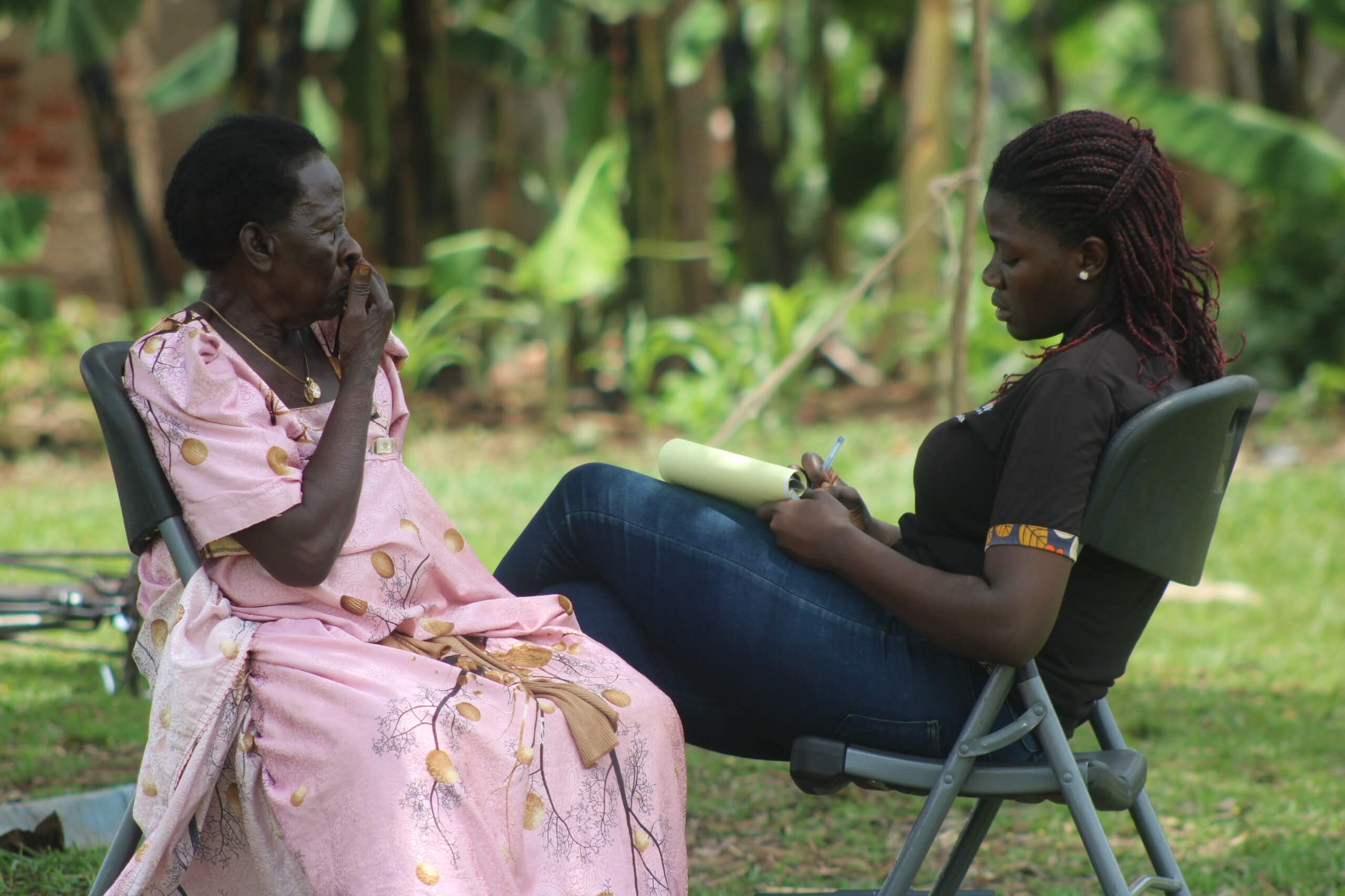
For too long, the story of surgery in Uganda has carried an unavoidable fear: the fear that getting the care you need might push your family into poverty. But new evidence from Global Surgical Initiatives – Kyabirwa Surgical Center (KSC) delivers a rare and powerful counter-narrative; ambulatory surgery is proving to be one of the safest, most financially protective ways for Ugandans to receive surgical care.
KSC’s newly published peer-reviewed study found that only 1.1% of patients undergoing same-day surgery experienced catastrophic health expenditure (CHE). Catastrophic health expenditure is not an abstract economic term: it describes the moment when a household spends 10% of the money they earn or spend annually on essential needs such as food, school fees, water, shelter, or income-earning assets. Such households consequently face economic hardships just because a member underwent surgery, hence compromising the health of other members, who might find it very challenging to access surgery themselves, if needed.
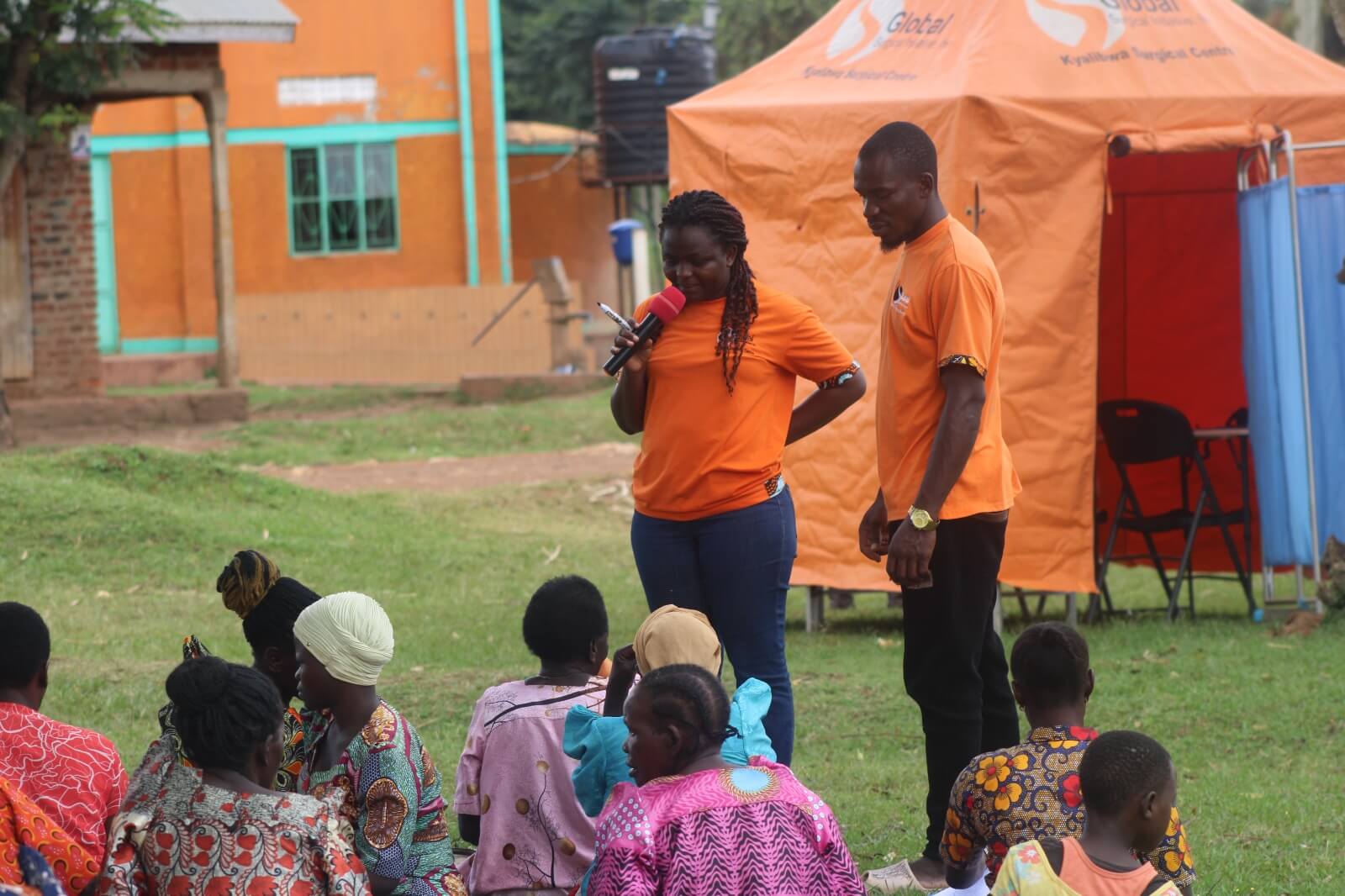
Thus, at a CHE prevalence of 1.1%, only 1 in every 100 patients who receive major surgery at KSC pay out-of-pocket and slump into economic hardship. This is one of the lowest levels of surgery-related CHE recorded in the past two decades, and it is a testament to the fact that KSC has lived up to its mission of increasing access to affordable surgery, to the rural poor. In a health system where the prospects of potential CHE experience remain a major barrier to care, this finding is significant. Generally, the finding further confirms that ambulatory surgical centers can deliver high-quality services while dramatically reducing the financial shock normally associated with surgery. This is evidence Uganda urgently needs. It shows that when surgical systems are designed thoughtfully with streamlined processes, reduced hospital stays, predictable pricing, and community-based access, families are protected rather than impoverished.
But the finding is not a reason for complacency; it is a roadmap for scaling what works, and at KSC, we are very much committed to ensuring that we meet the global standard of having surgery-CHE at 0.0%, as per the Lancet Commission on Global Surgery.

Uganda still faces widespread financial vulnerability in healthcare. Many households remain one surgical illness away from hardship, especially in rural and peri-urban communities. The lesson from KSC’s study is clear: clinical innovation must be matched with financial protection, and ambulatory surgery is one of the strongest tools available.
- To sustain and expand this success, policymakers should:
- Strengthen community health insurance schemes
- Accelerate progress toward national health insurance
- Subsidize essential surgical services for low-income patients
- Integrate financial counselling into surgical pathways
- Replicate low-cost ASC models in underserved regions
Ambulatory surgery is not the problem; it is part of the solution. KSC’s research offers a proof point that Uganda can deliver safe, affordable, patient-centred surgery without driving families into poverty. The question now is whether we will invest in scaling what works.




Miss Tourism Uganda 2026 Launches with Focus on AI, Culture and Tourism
The search for Miss Tourism Uganda 2026 is officially underway, with organisers unveiling …




















From Eggs to Empire: The Rise of Taban Idro Senior
Taban Idro Senior, Chairman of Acacia Place Ltd., began his business journey in 1977 selling eggs on a bicycle—a