Parliament has sanctioned UNOC’s plan to borrow USD 2 billion (about UGX 7.11 trillion) from global energy trader Vitol Bahrain.
The proposed loan, one of the largest non-traditional financing arrangements in Uganda’s history, comes as the country’s public debt stood at about UGX 116 trillion (approximately USD 32.3 billion) by June 2025, raising questions about how far the government can stretch borrowing to finance infrastructure.
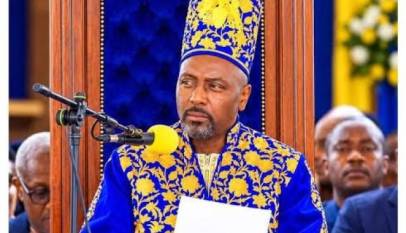
The proposal was tabled on December 16, 2025, by the State Minister for Finance in charge of General Duties, Henry Musasizi, during a plenary sitting chaired by Deputy Speaker Thomas Tayebwa.
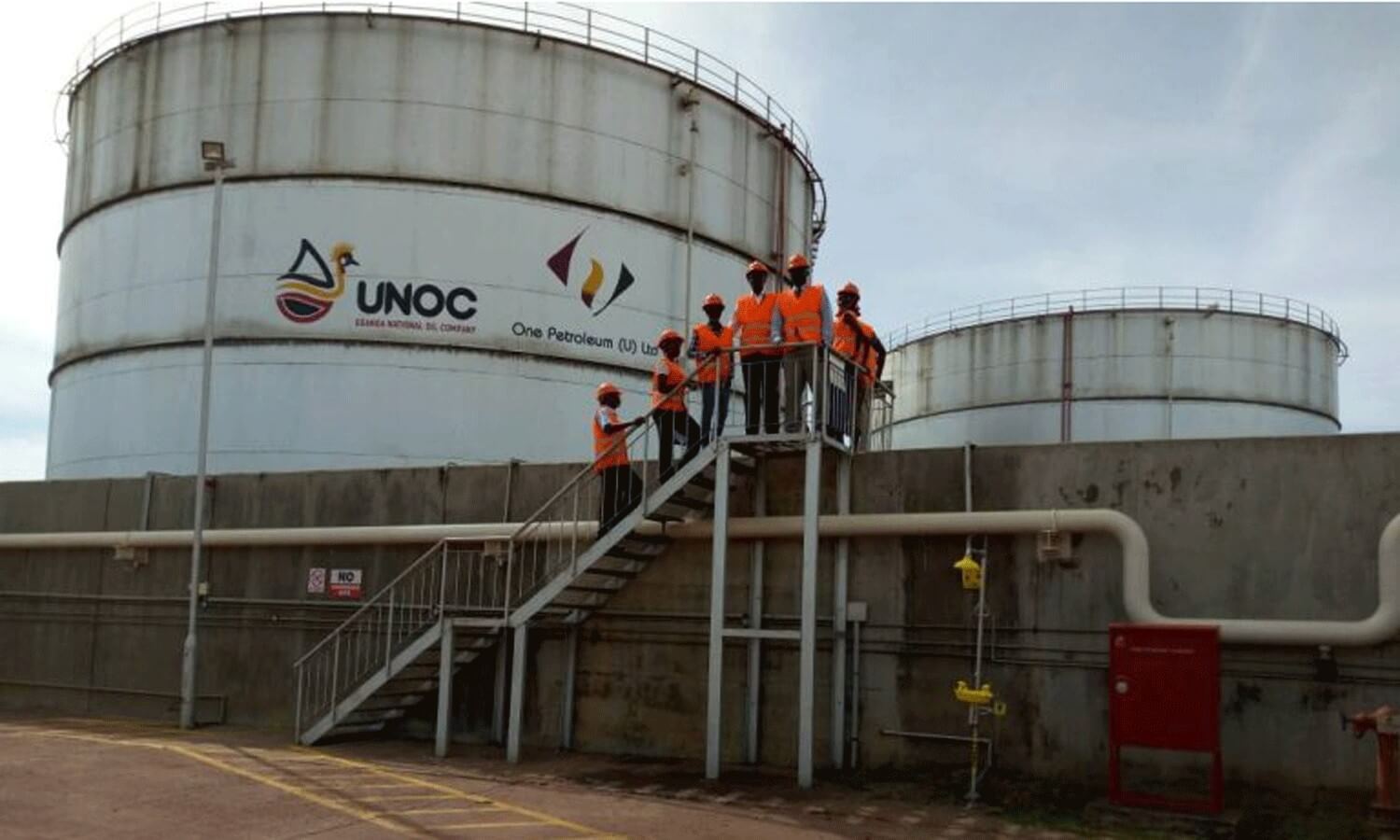
The financing plan builds on UNOC’s expanding role in the downstream petroleum sector. In August 2023, the government signed a Petroleum Products Supply Agreement with Vitol, granting UNOC the mandate for the sole importation of petrol, diesel, and aviation fuel, a policy shift aimed at stabilizing fuel supply and eliminating middlemen.
UNOC began sole fuel importation in July 2024, and by December 2025, the arrangement had delivered relative price stability and generated revenues. According to the Ministry of Finance, UNOC earned a gross profit of about USD 150 million from oil trading alone during the period.
Presenting the proposal, Musasizi argued that the Vitol loan offers access to alternative sources of capital, particularly as traditional lenders increasingly retreat from fossil-fuel-related projects following the Paris Agreement on climate change.
“While Vitol is not a traditional lender, it has become common practice for global commodity traders with strong cash flows and access to cheaper capital to enter into tailor-made financing arrangements with governments and national oil companies,” Musasizi told Parliament.
Under the proposal, USD 1.2 billion would be allocated to UNOC projects, including construction of the Kampala Storage Terminal, expansion of the Jinja Storage Terminal, acquisition of fuel storage in Mombasa, initial works on the Uganda Oil Refinery, purchase of shares in the Kenya Pipeline Company, and extension of the Eldoret–Kampala refined products pipeline.
The remaining USD 800 million would be directed toward national roads infrastructure, intended to improve transport networks critical to petroleum distribution and broader economic growth.
The loan would run for seven years (84 months), including a two-year grace period, during which interest accrues but is not paid. Repayments would begin thereafter, with the Government paying USD 100 million in principal plus interest every quarter on amounts drawn.
The interest rate is pegged to the three-month Secured Overnight Financing Rate (SOFR), currently at 3.92 percent, plus a 1 percent margin, bringing the effective rate to 4.92 percent, with no additional fees.
Security for the loan would include rules-based escrow accounts, into which revenues from UNOC projects and domestic fuel sales would be deposited.
Attorney General Kiryowa Kiwanuka defended the arrangement, emphasizing UNOC’s commercial character.
“UNOC’s revenues from trading and storage do not go to the Consolidated Fund; they are business earnings,” Kiwanuka said. “Placing them in rules-based escrow accounts actually strengthens oversight. These funds are only accessed if UNOC fails to meet its obligations.”
Despite the government’s assurances, the proposal sparked sharp debate.
Maracha County MP Lee Denis Oguzu warned that borrowing USD 2 billion posed serious risks in a debt-stressed economy. “This is not small money for a country like Uganda,” he said. “Given our debt management challenges, there is a real risk of misuse if Parliament does not scrutinize this deal thoroughly.”
Kasilo County MP Elijah Okupa offered qualified support, backing the infrastructure projects but calling for clarity on how UNOC profits are treated in national budgeting. “If UNOC is making profits, how are these reflected in appropriations? That transparency is critical,” he said.
Opposition Leader Joel Ssenyonyi raised deeper concerns about financial projections and the process. He questioned whether the reported USD 150 million was gross or net profit and demanded detailed explanations of claims that the projects would generate USD 5.6 billion in revenues.
“We need to know how this money will accrue, over what period, and at what cost,” Ssenyonyi said, also faulting the government for failing to brief Parliament earlier on the May 2025 financing MoU with Vitol.
The proposal is anchored in Article 159 of the Constitution and Section 34 of the Public Finance Management Act, 2015, both of which require Parliamentary approval and full disclosure of loan terms.
As Uganda prepares for its first oil production expected in 2026, the Vitol loan could accelerate critical infrastructure development or deepen debt vulnerabilities in a politically sensitive election period.